ABBAS BATLIWALA Born in 1958 (Udaipur)
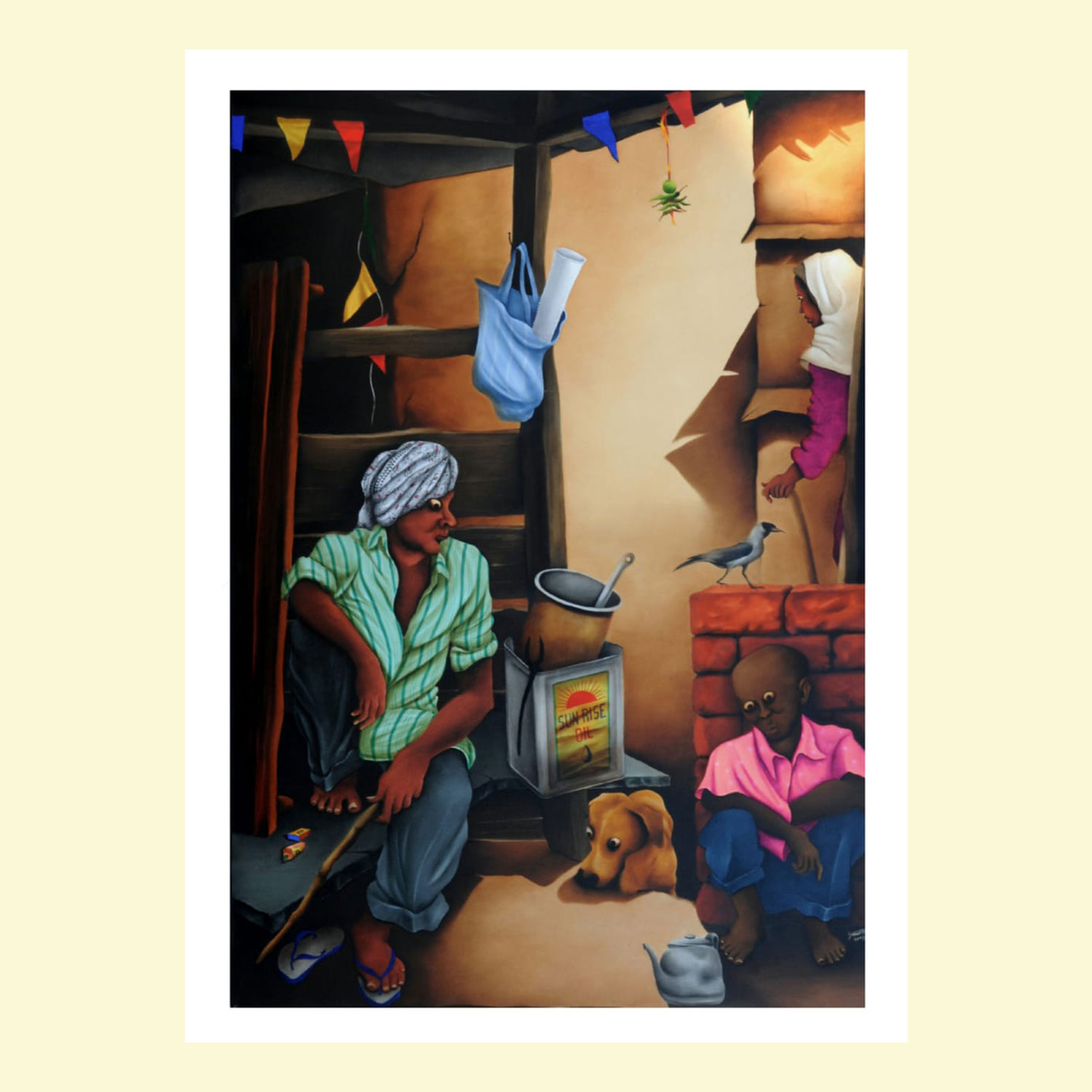
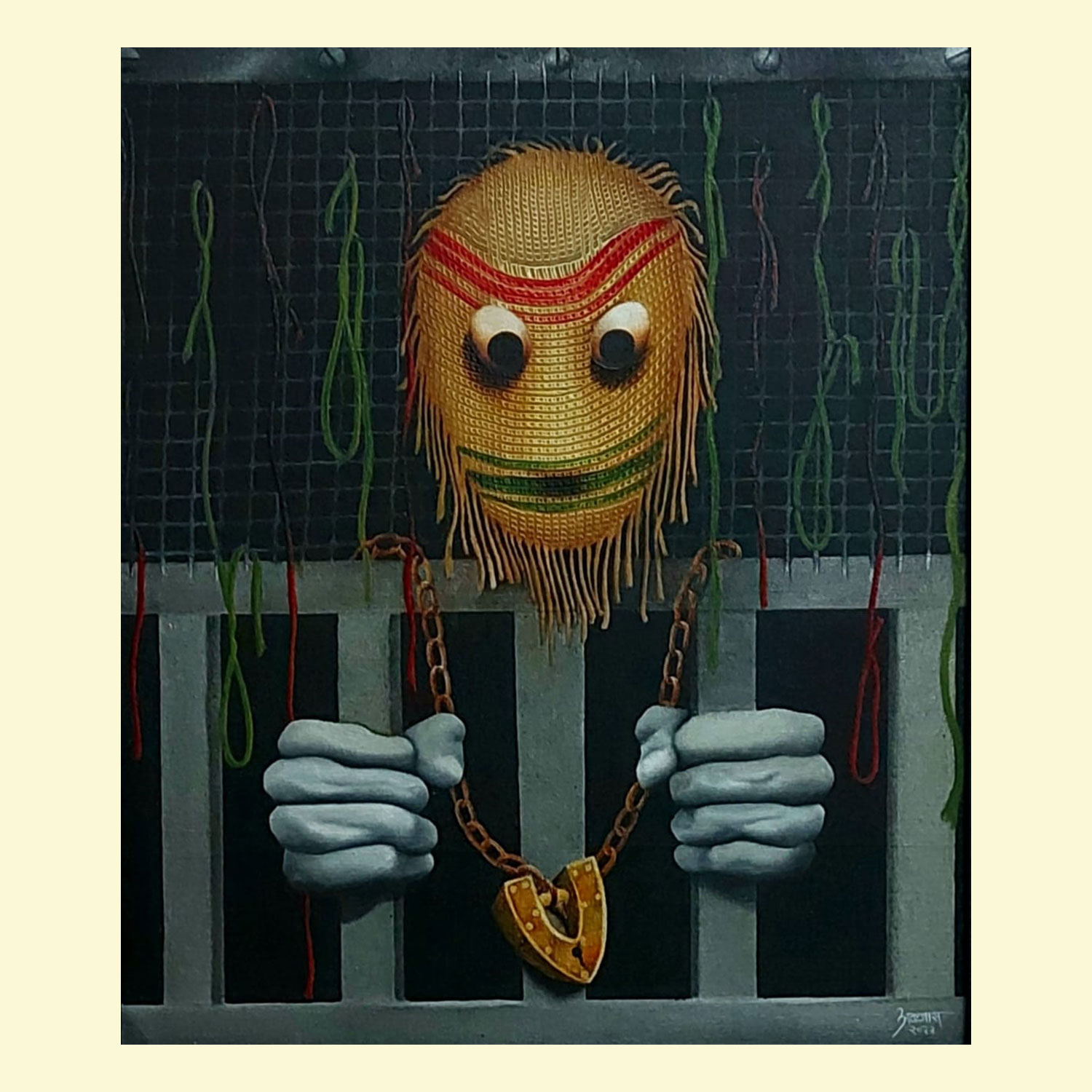
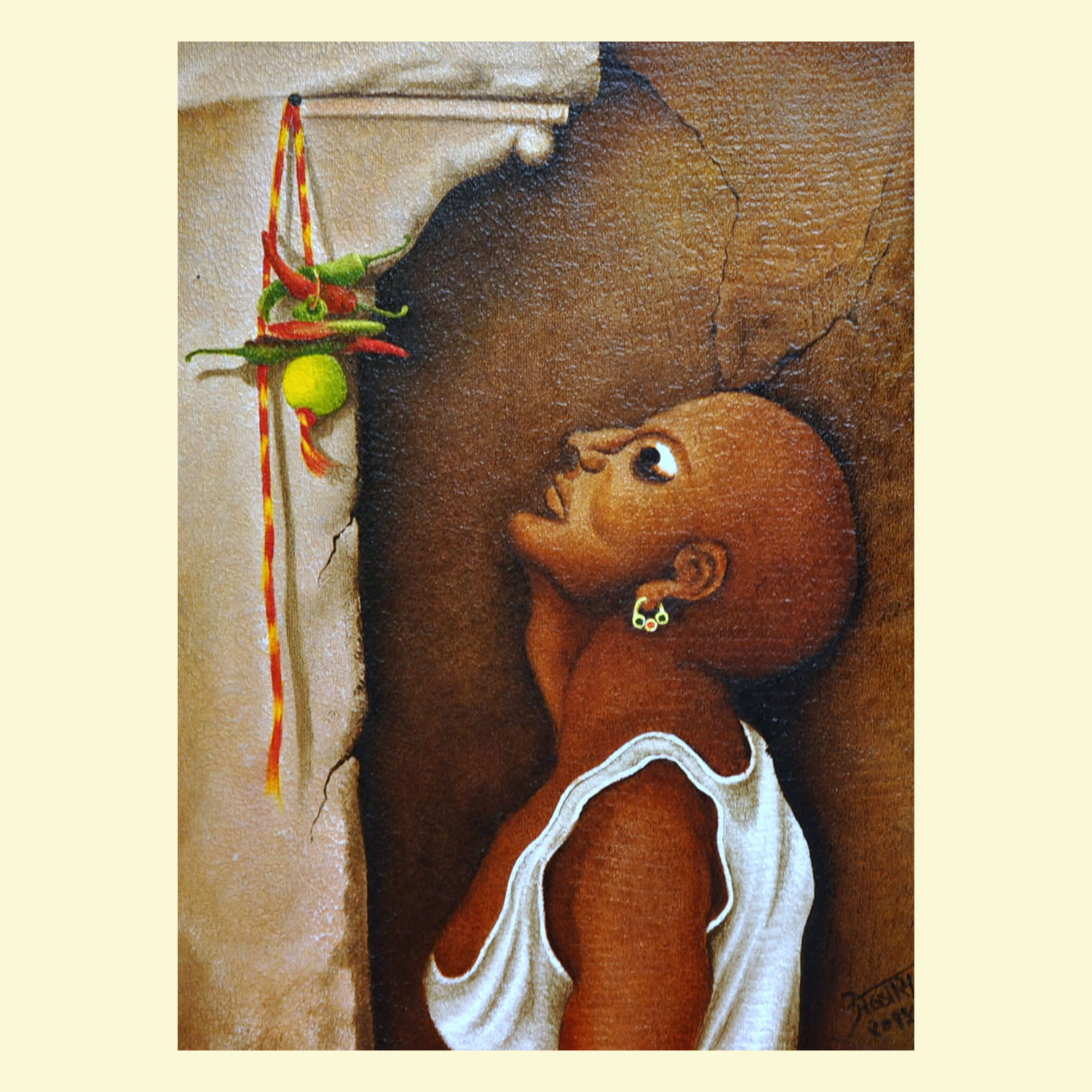
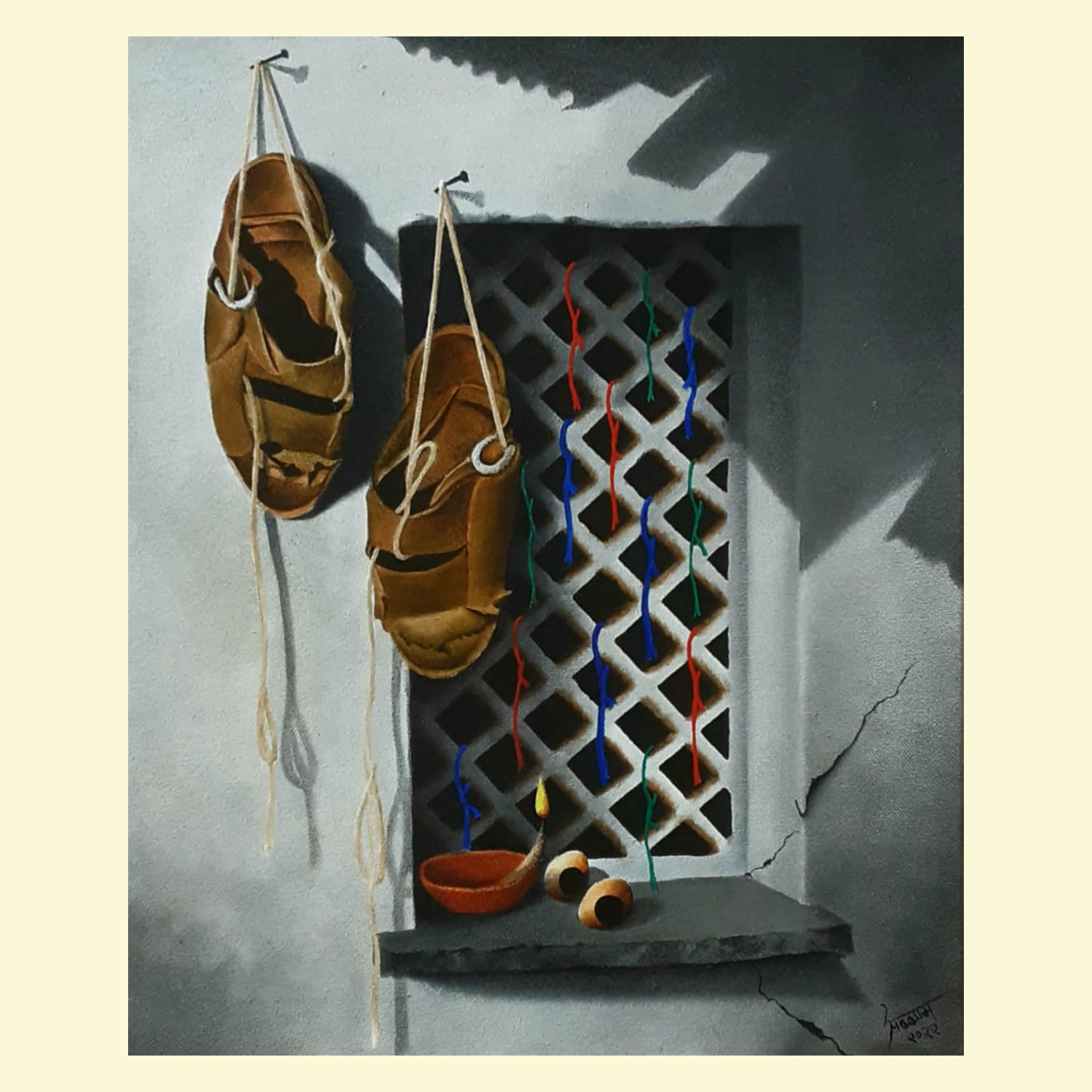
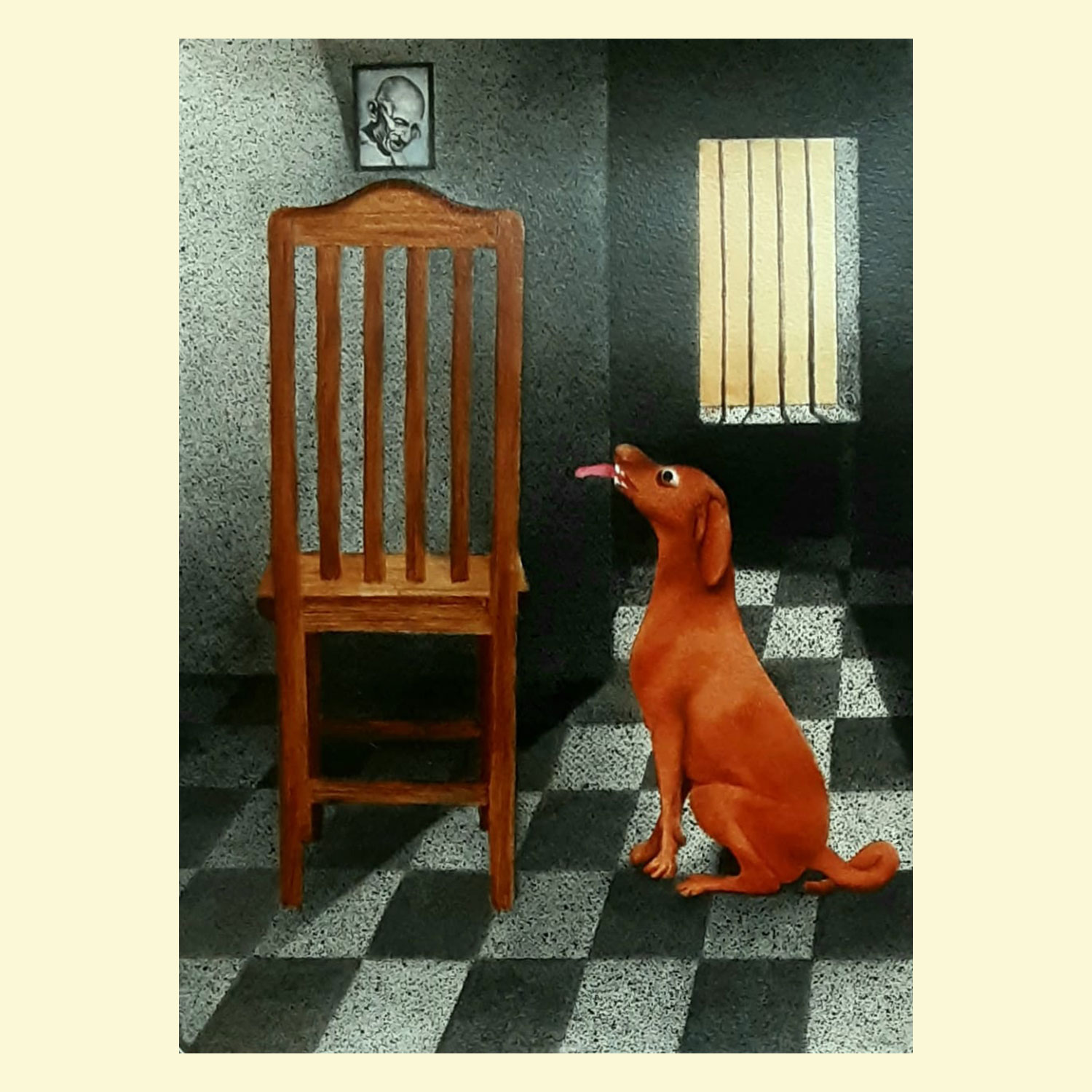
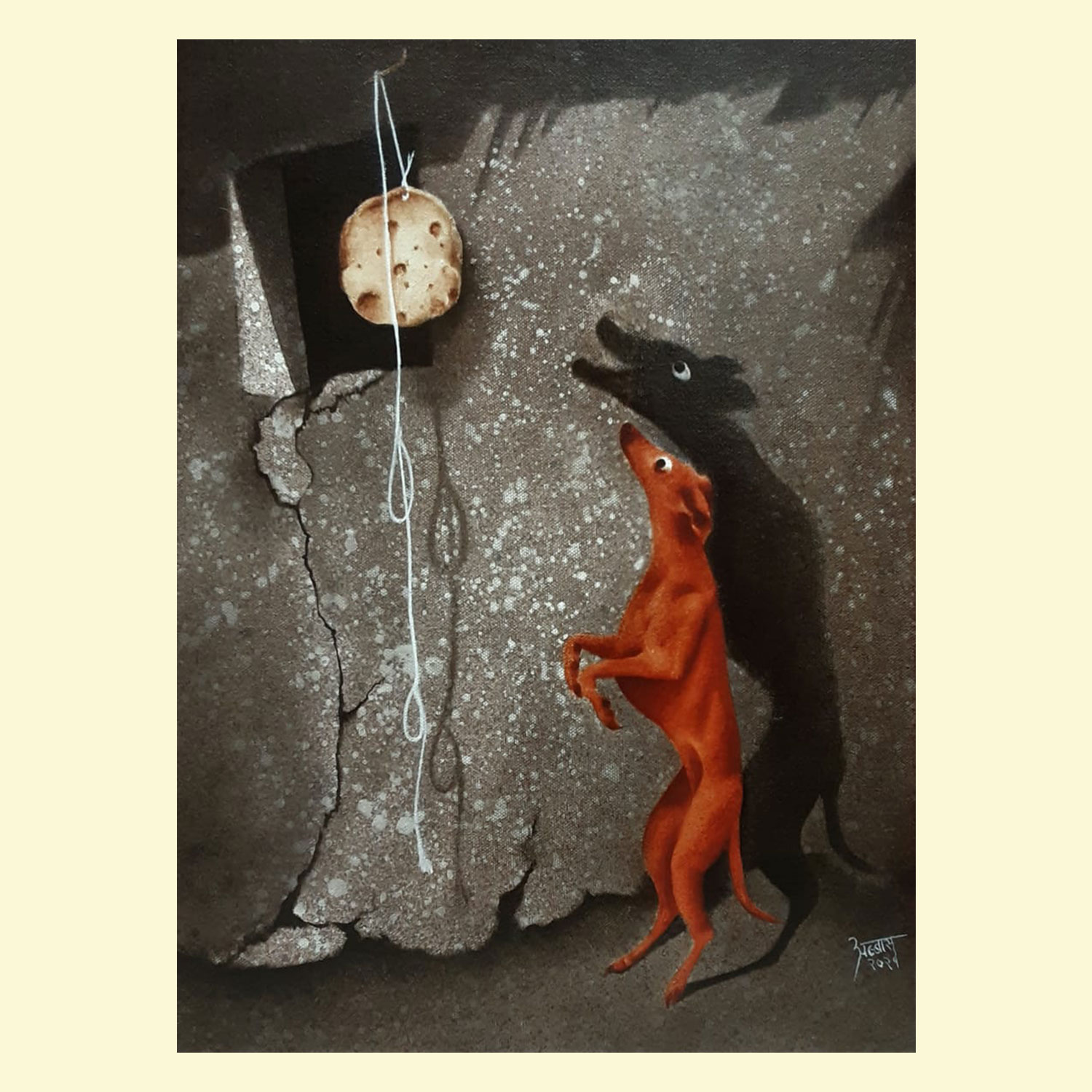
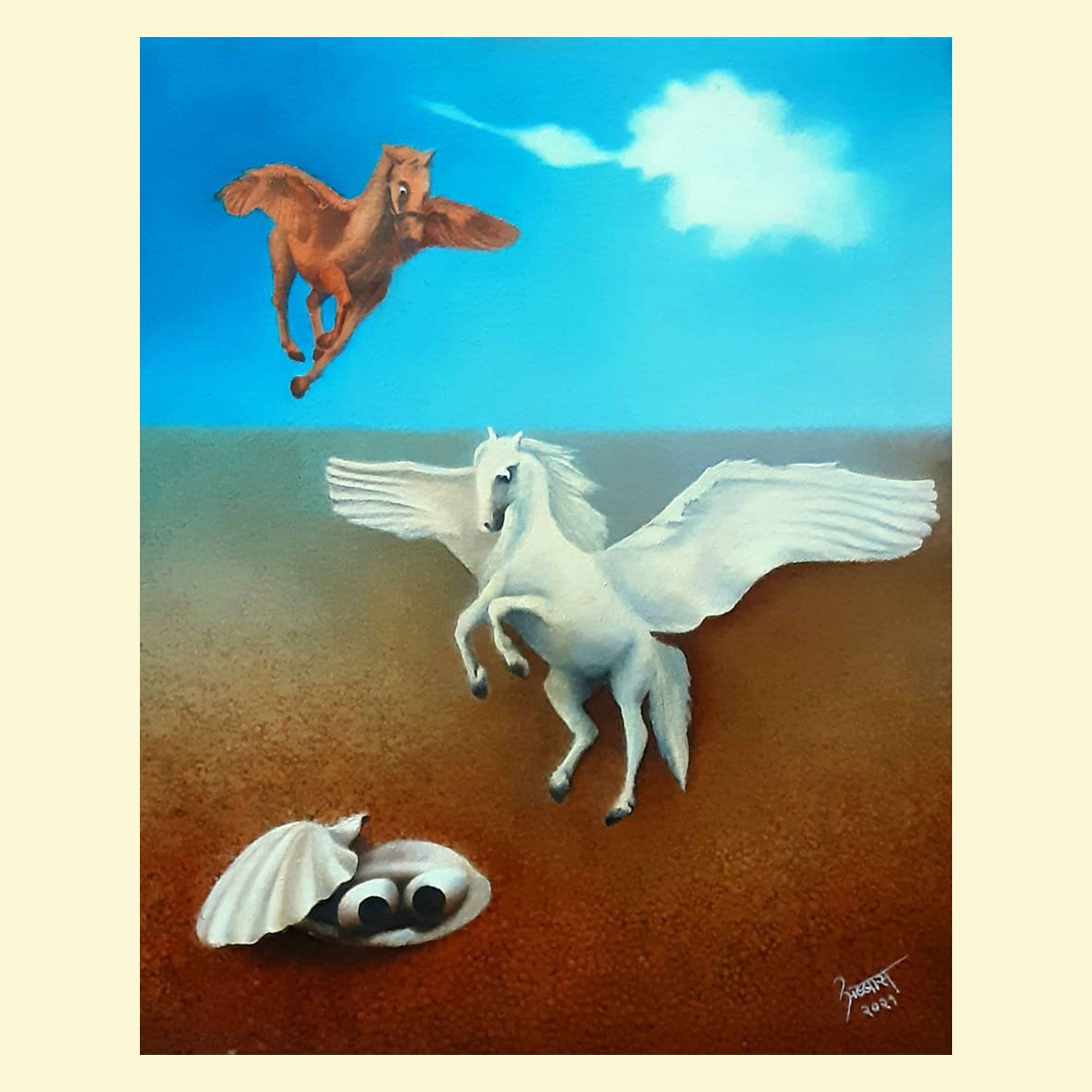
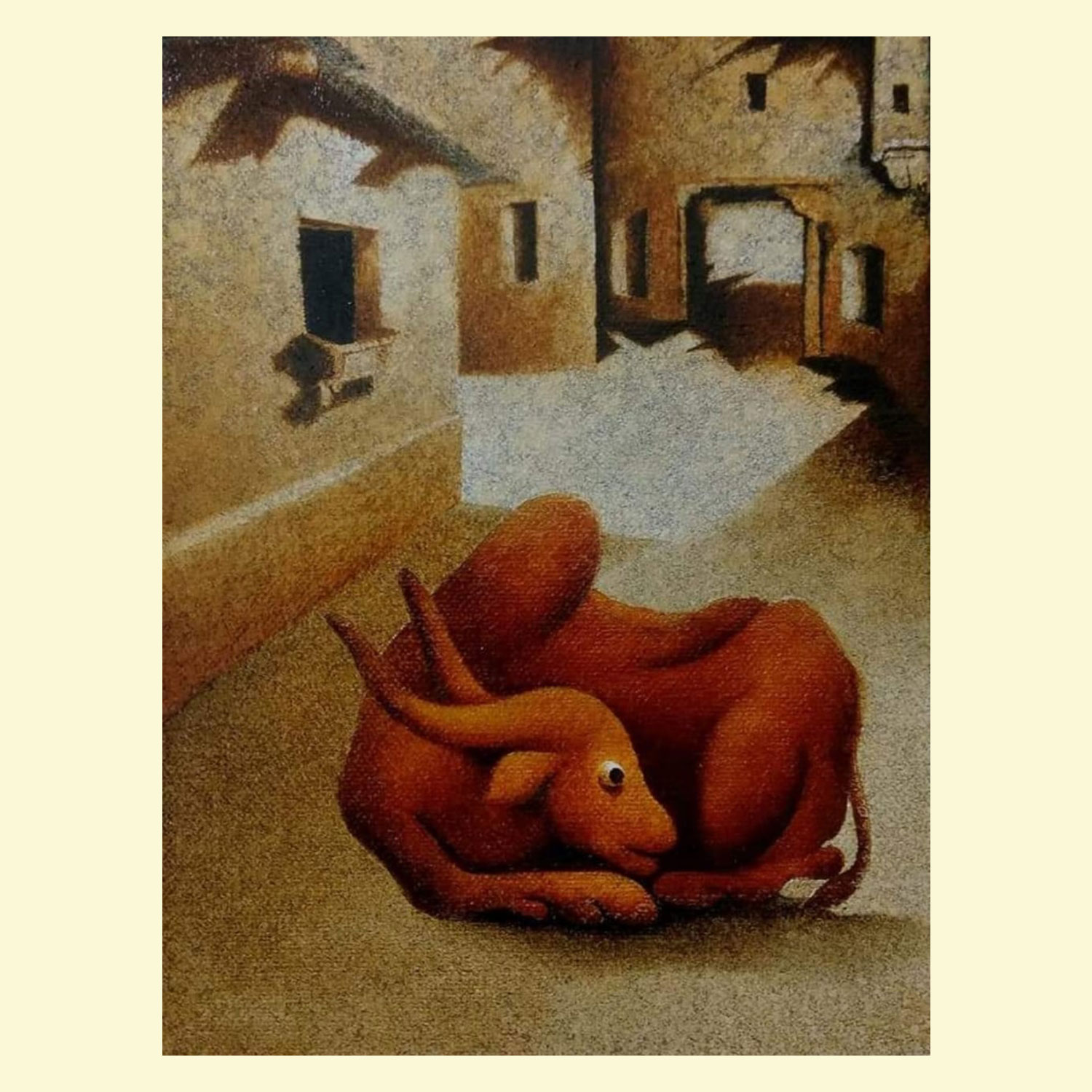
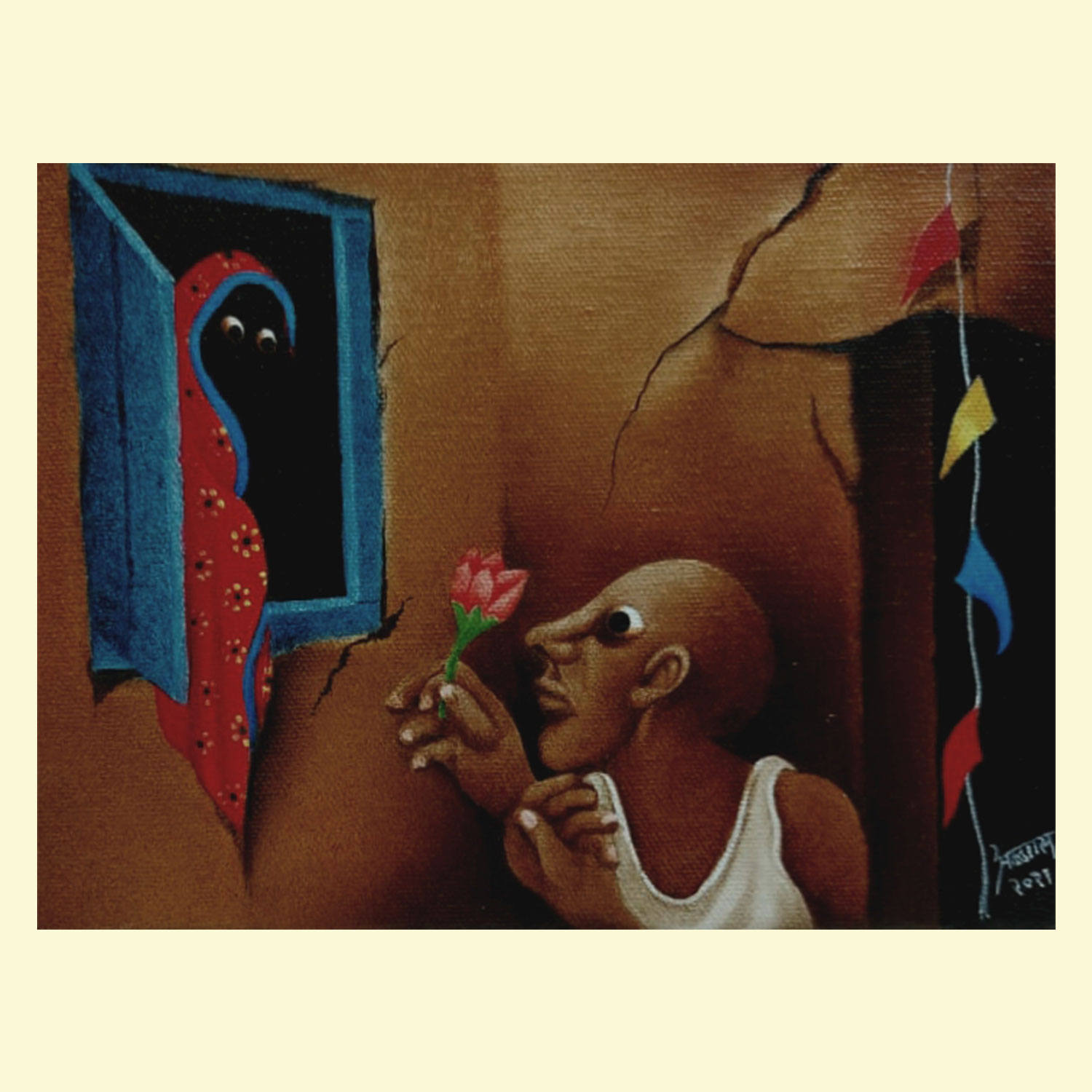
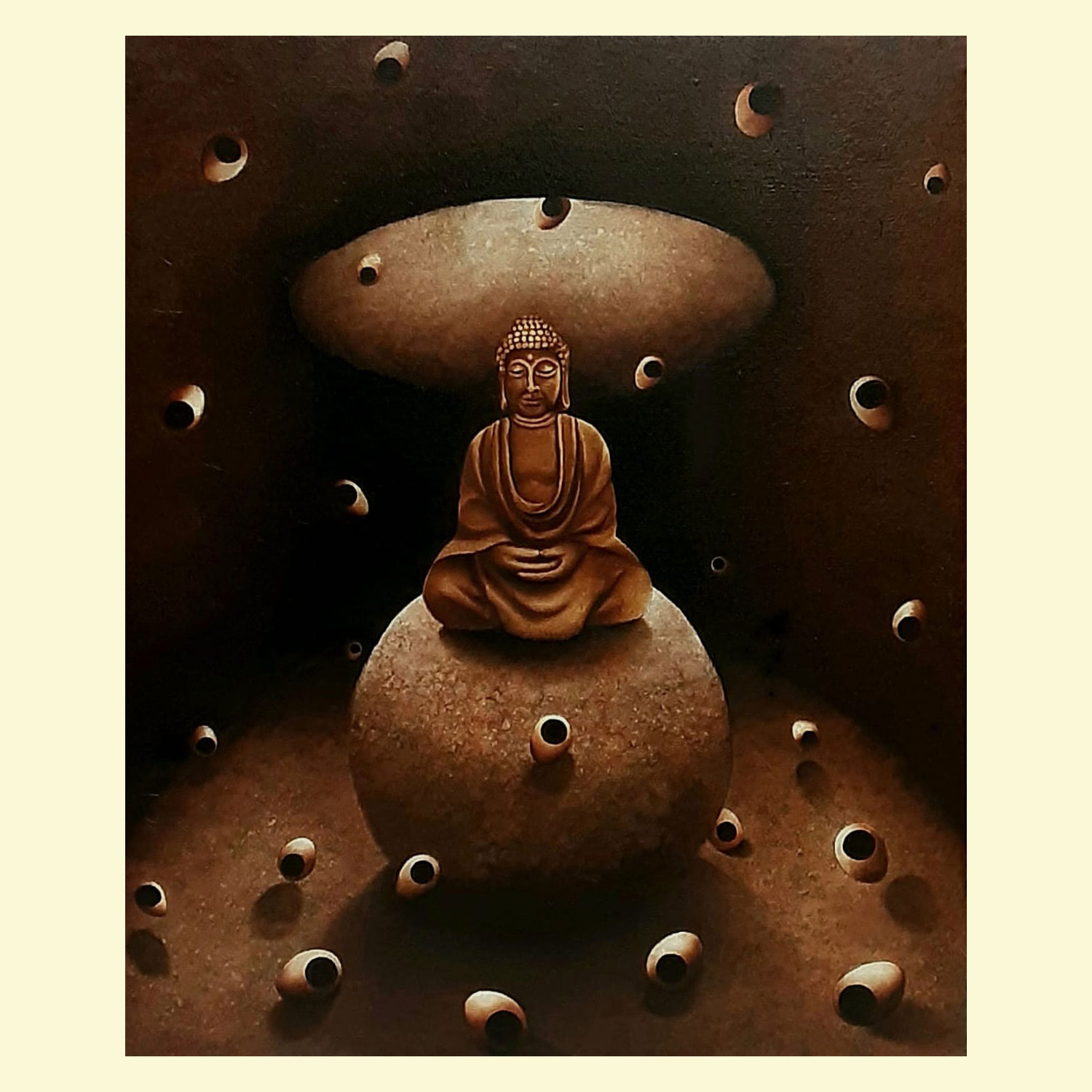
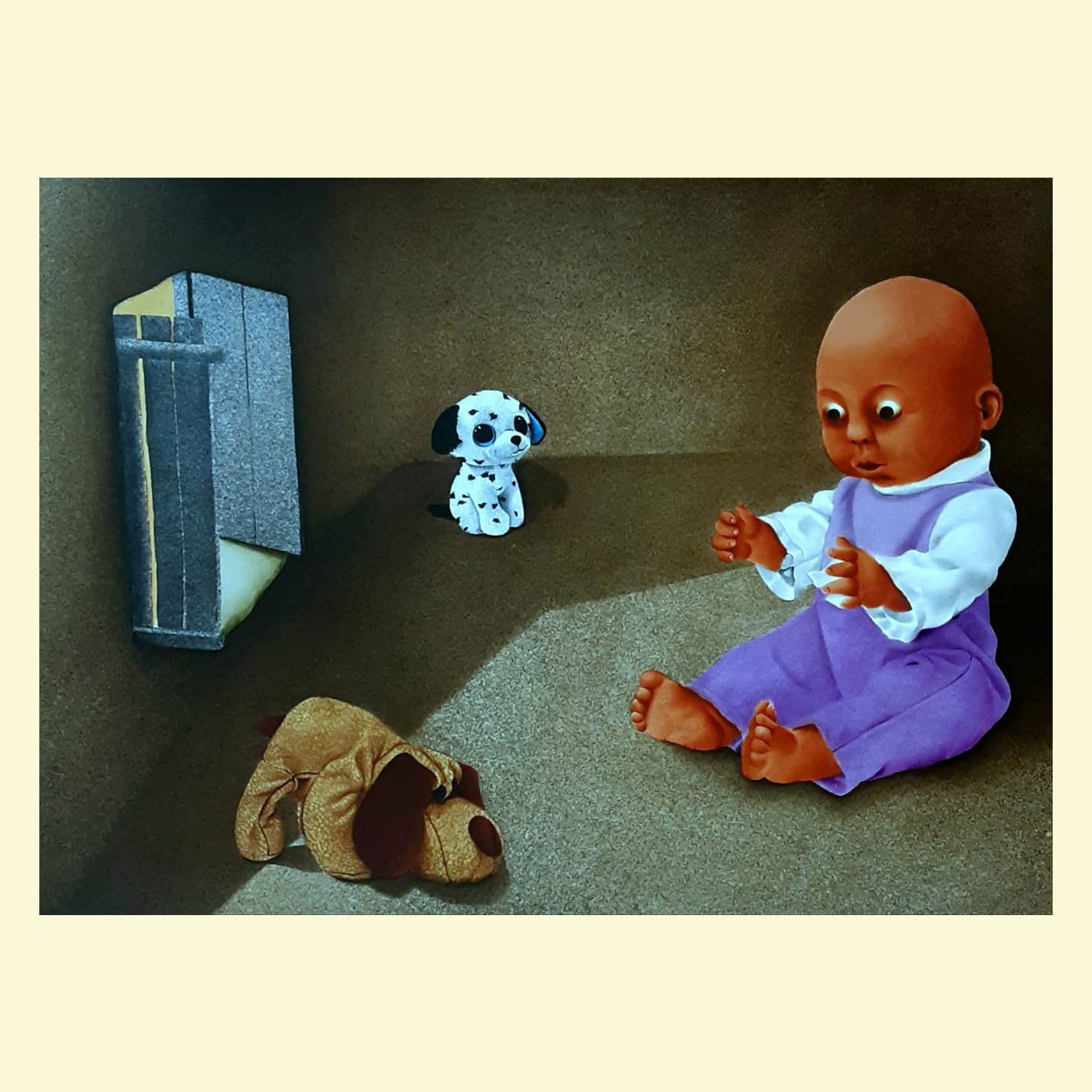
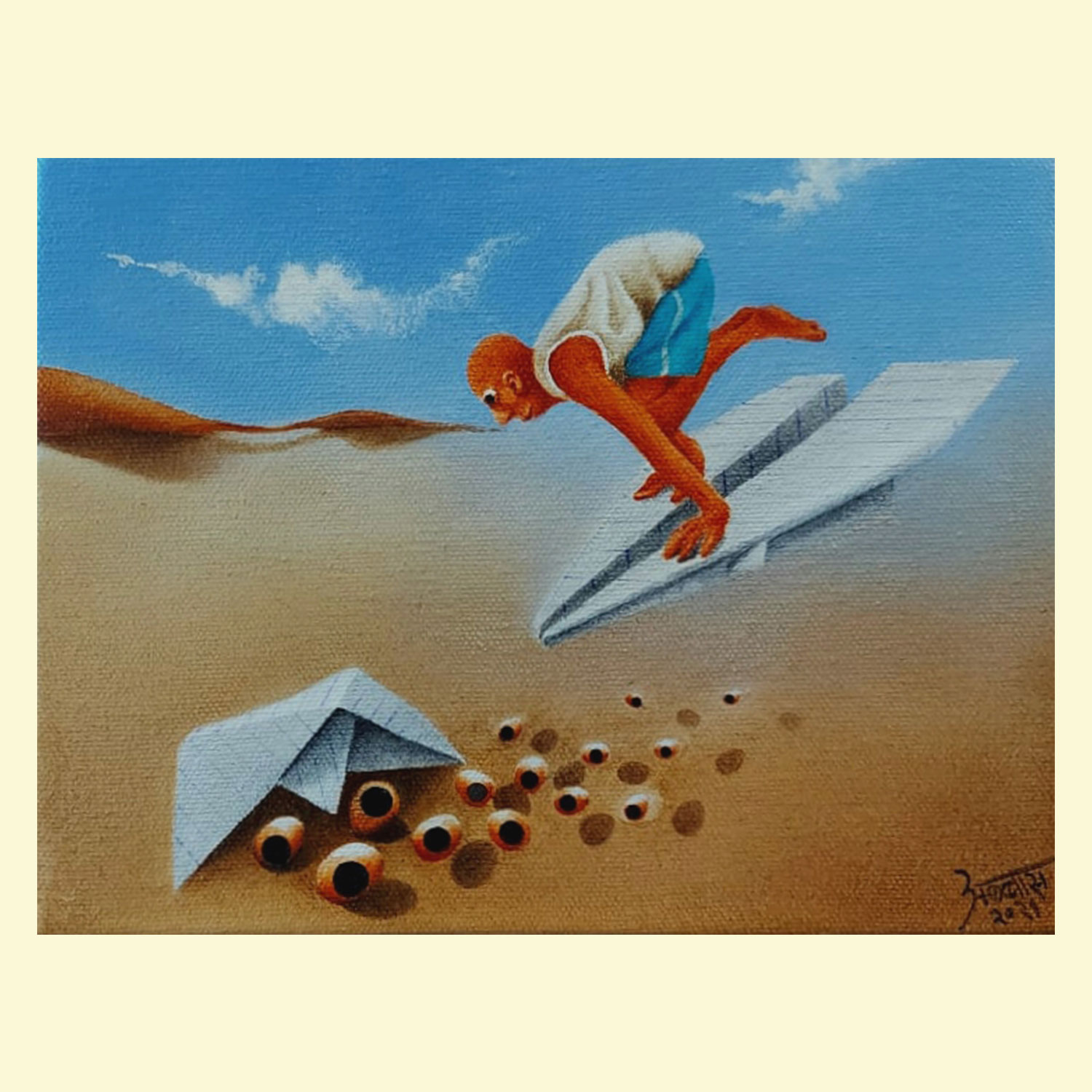
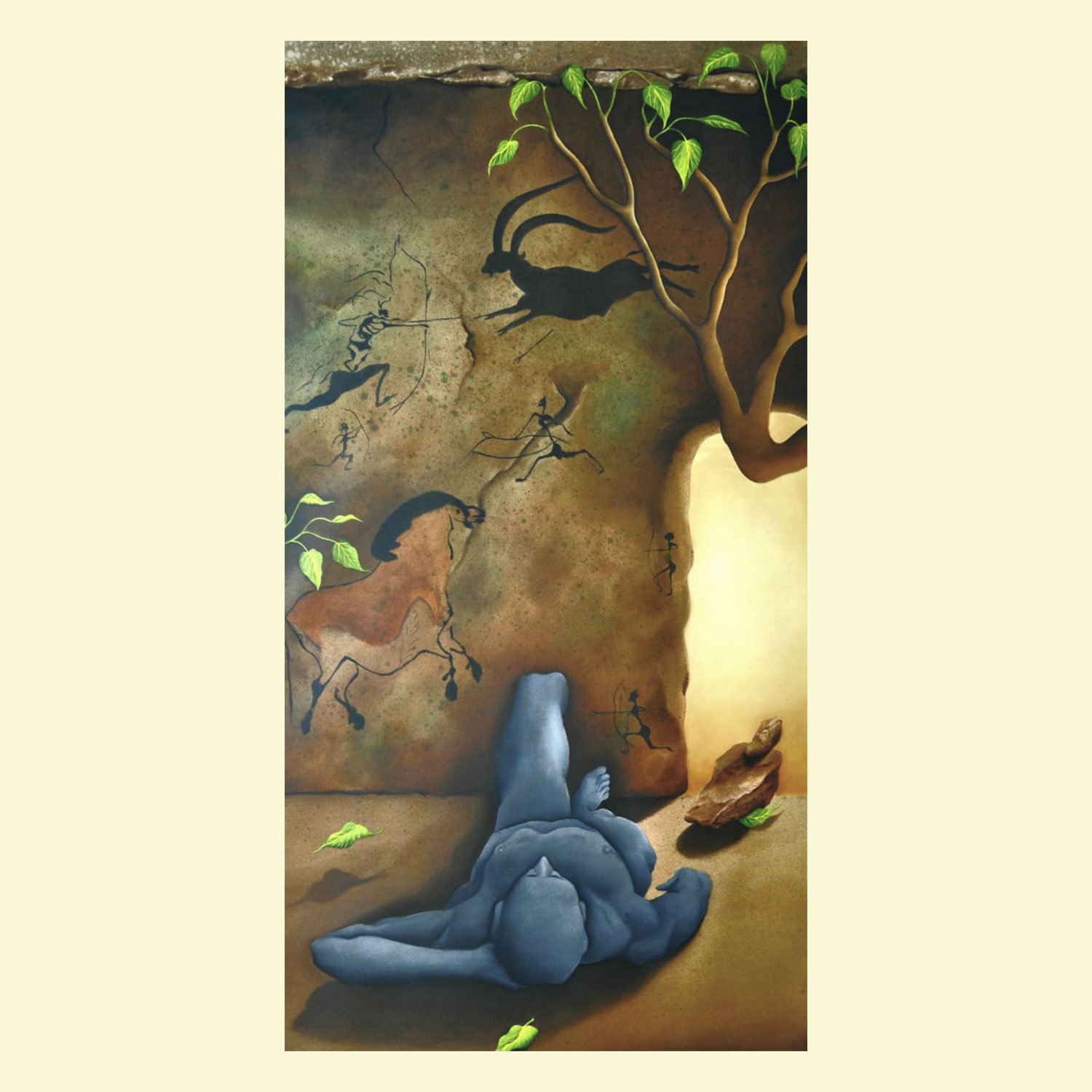
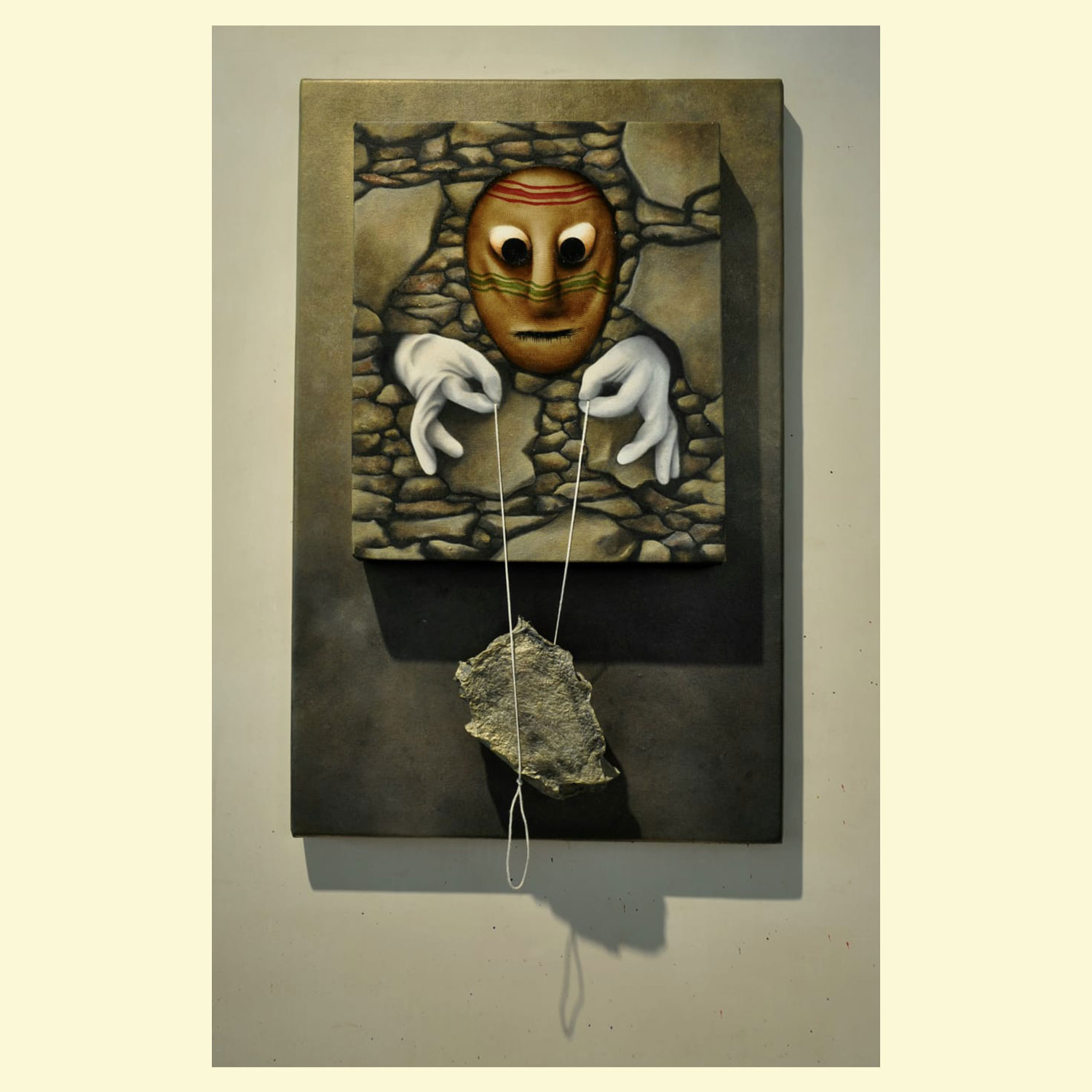
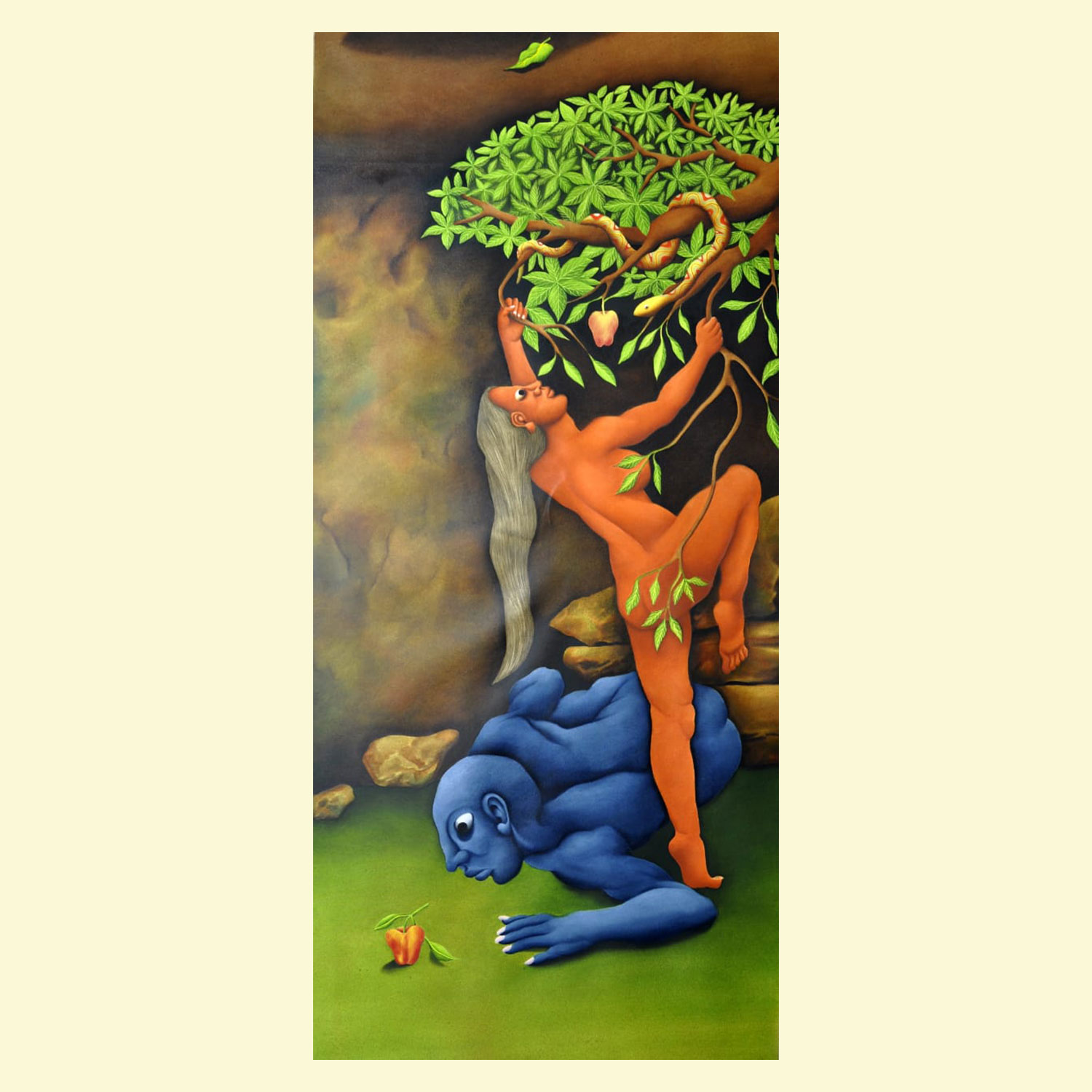
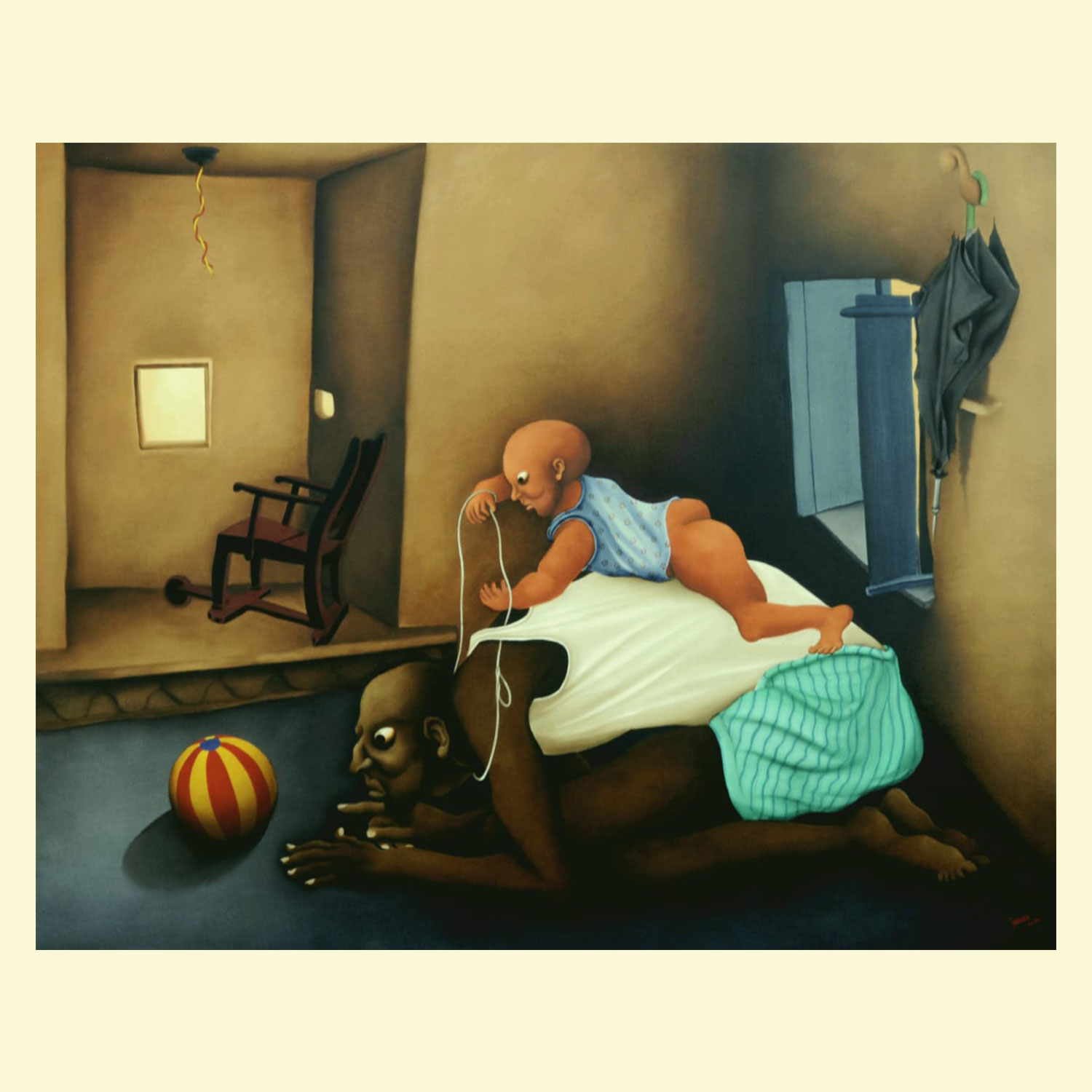
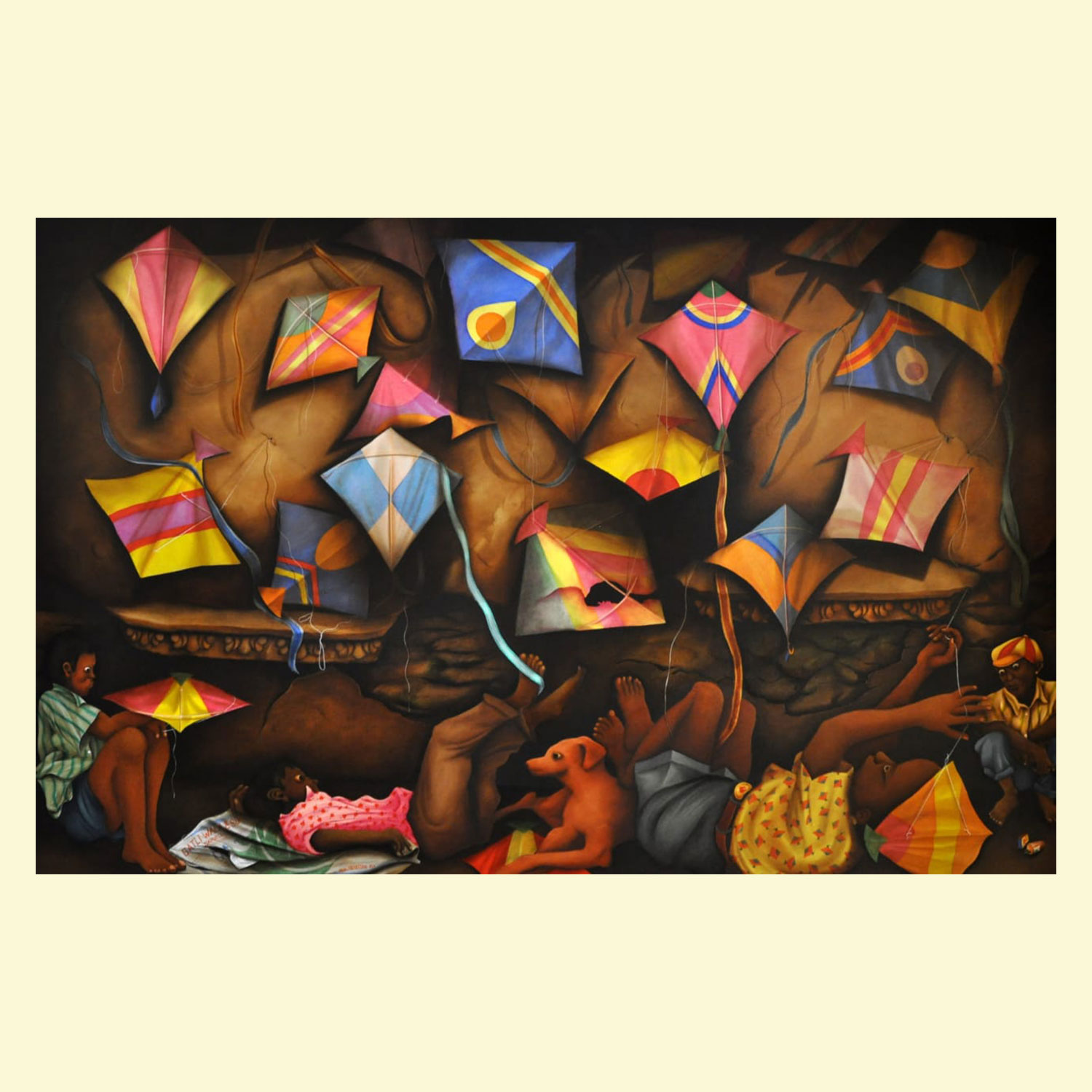
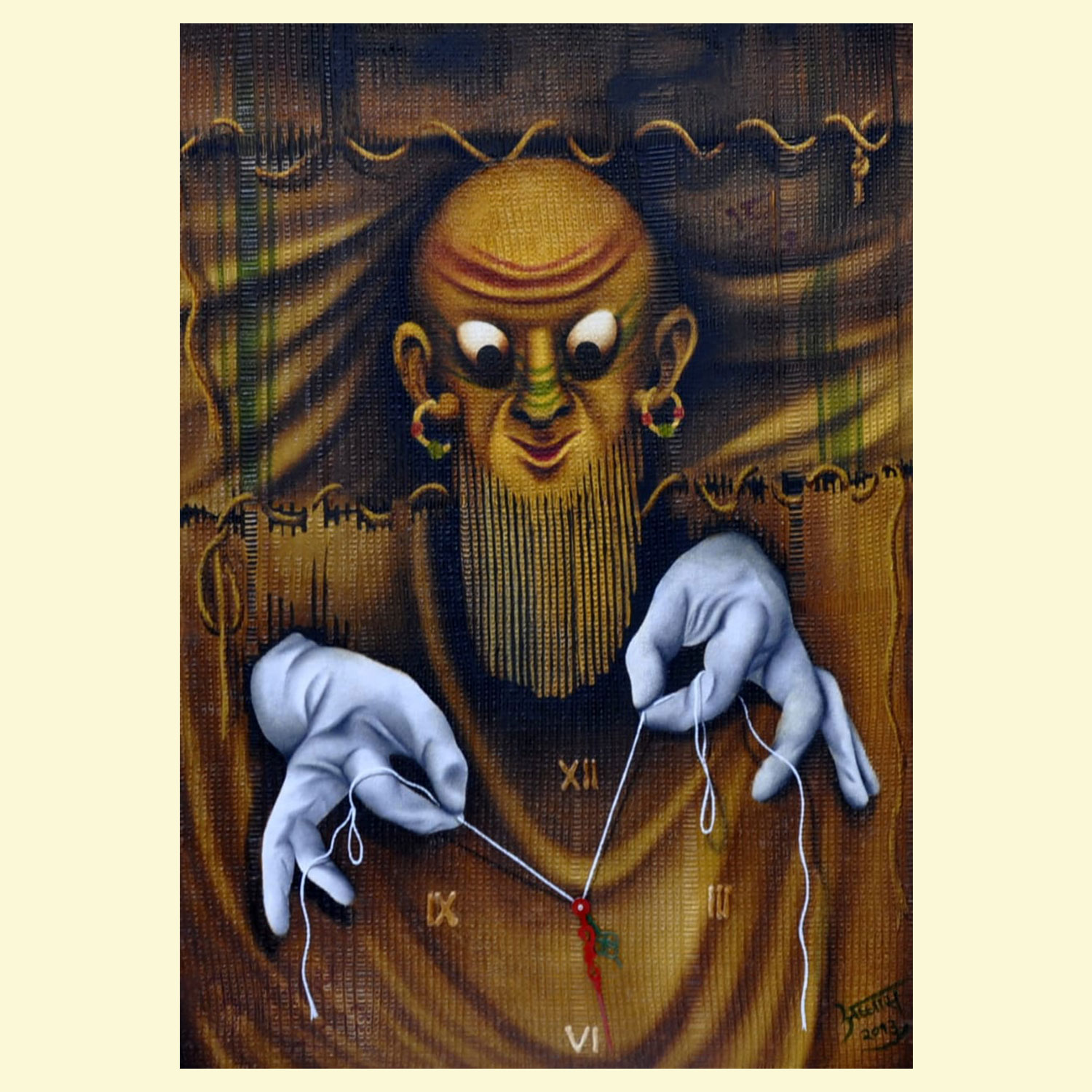
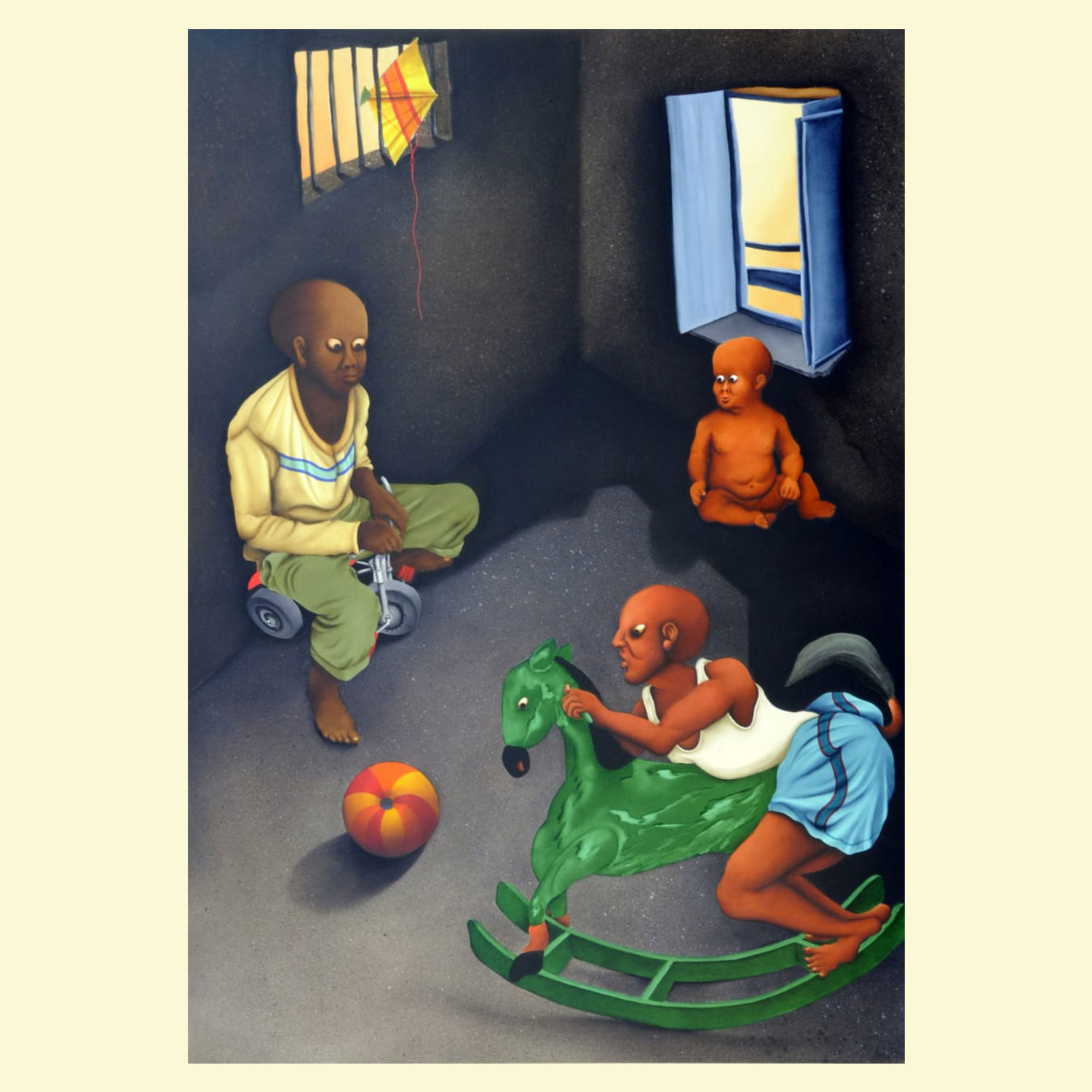
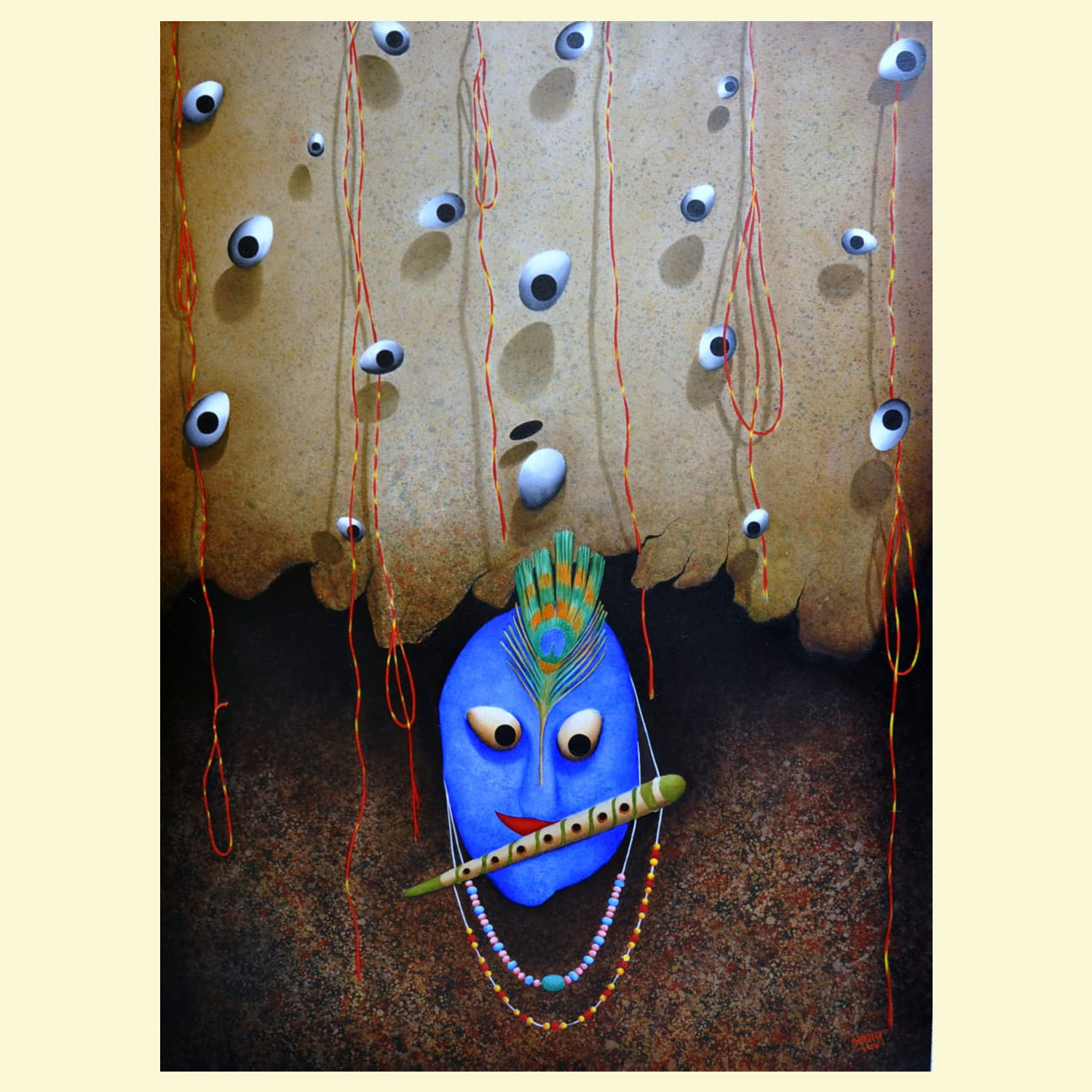
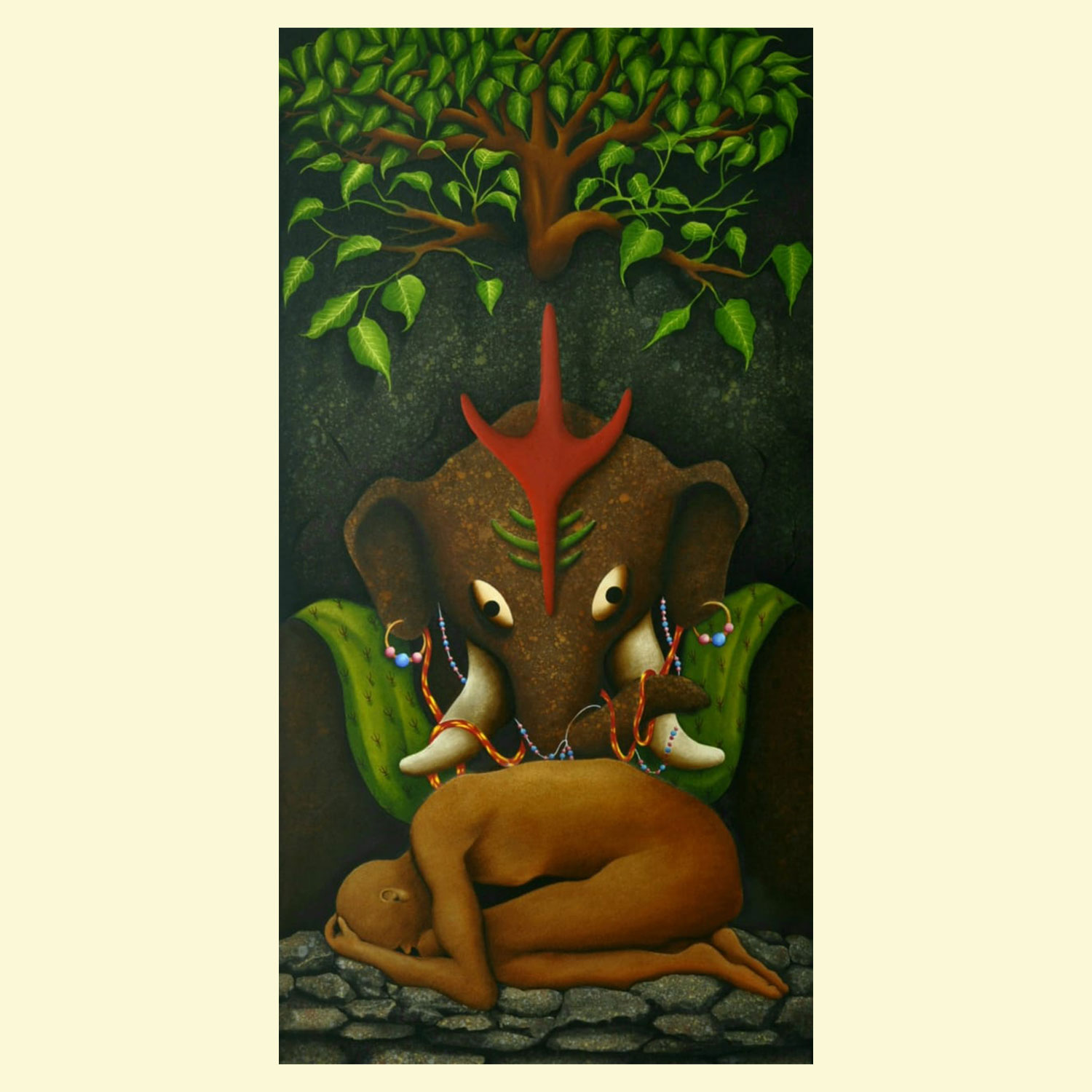
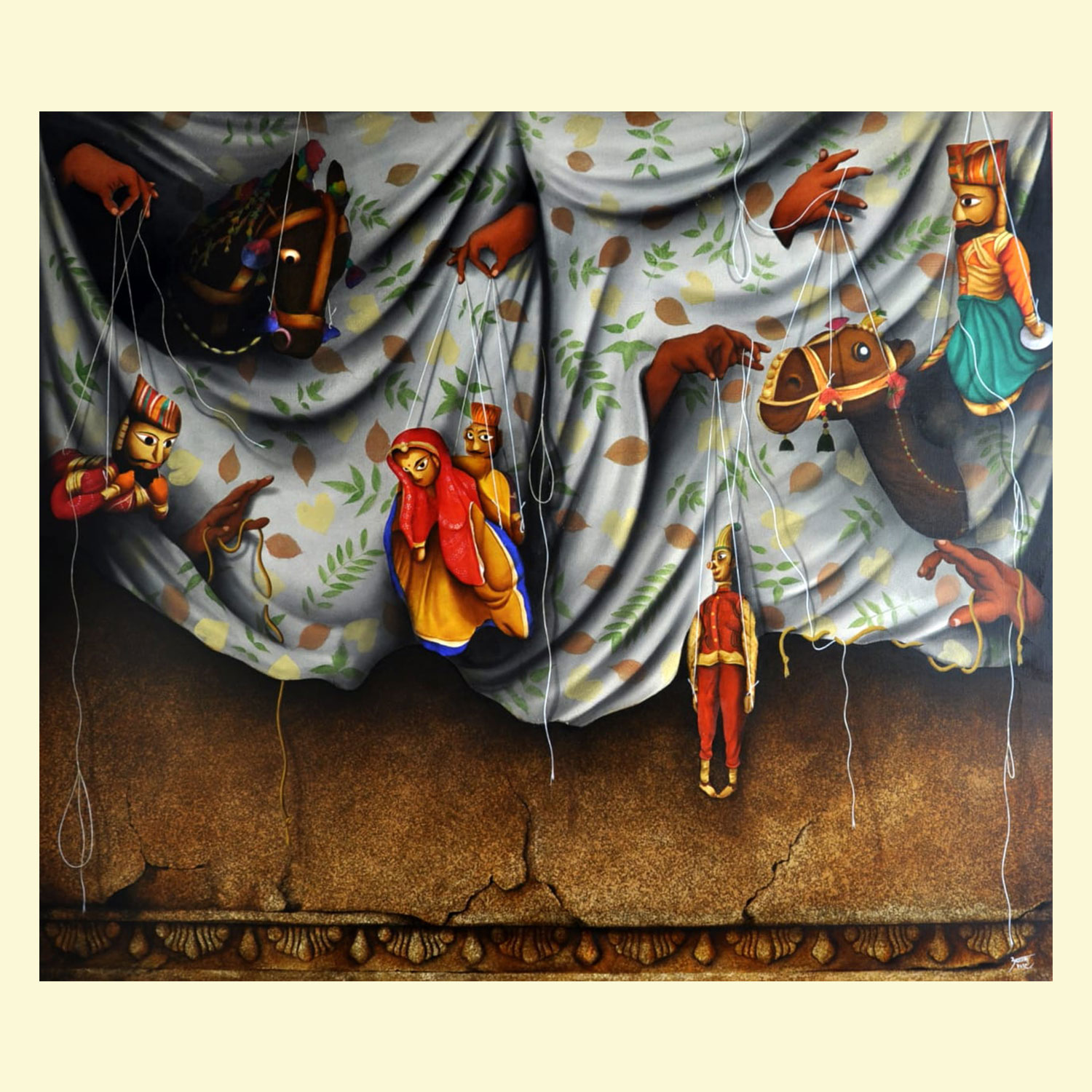
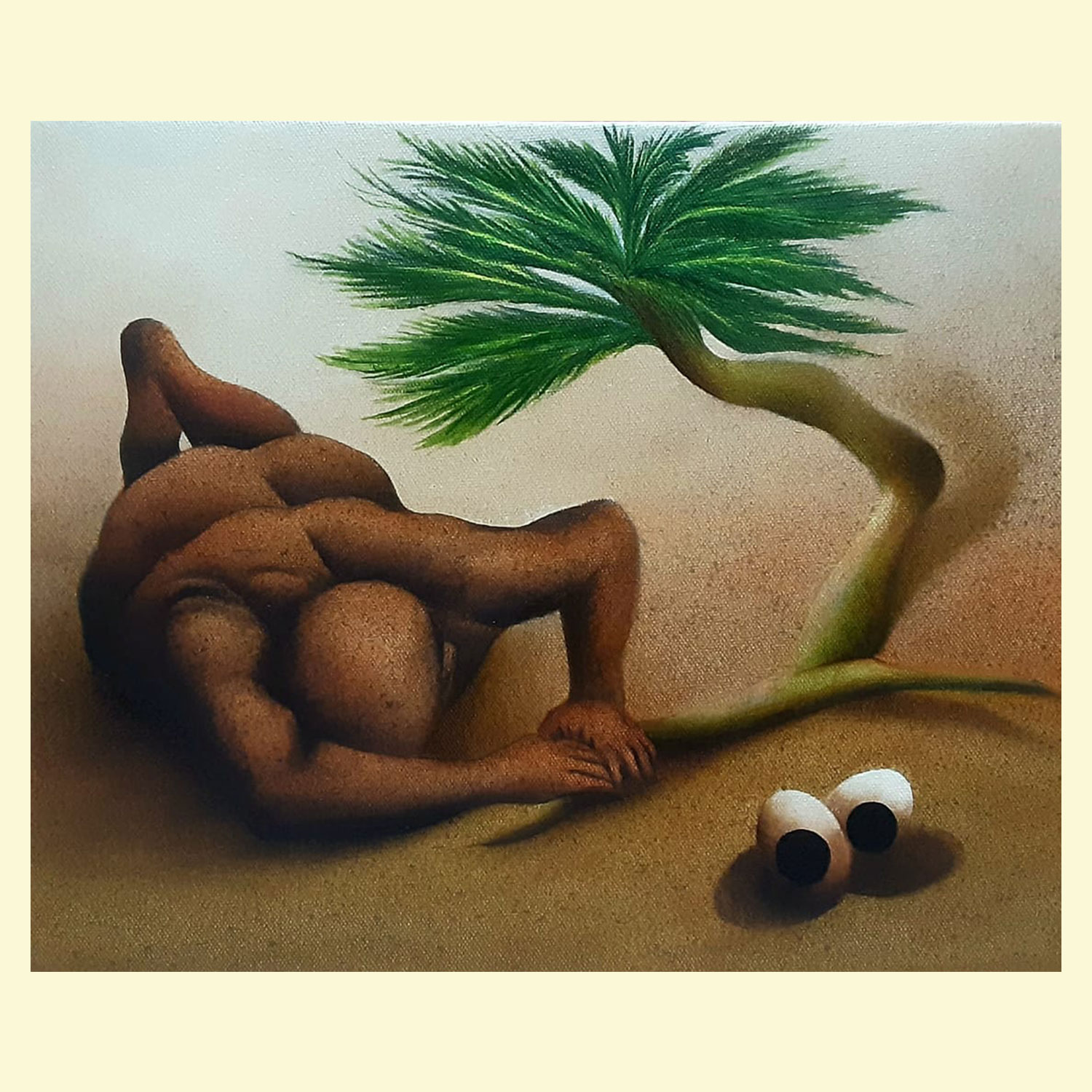
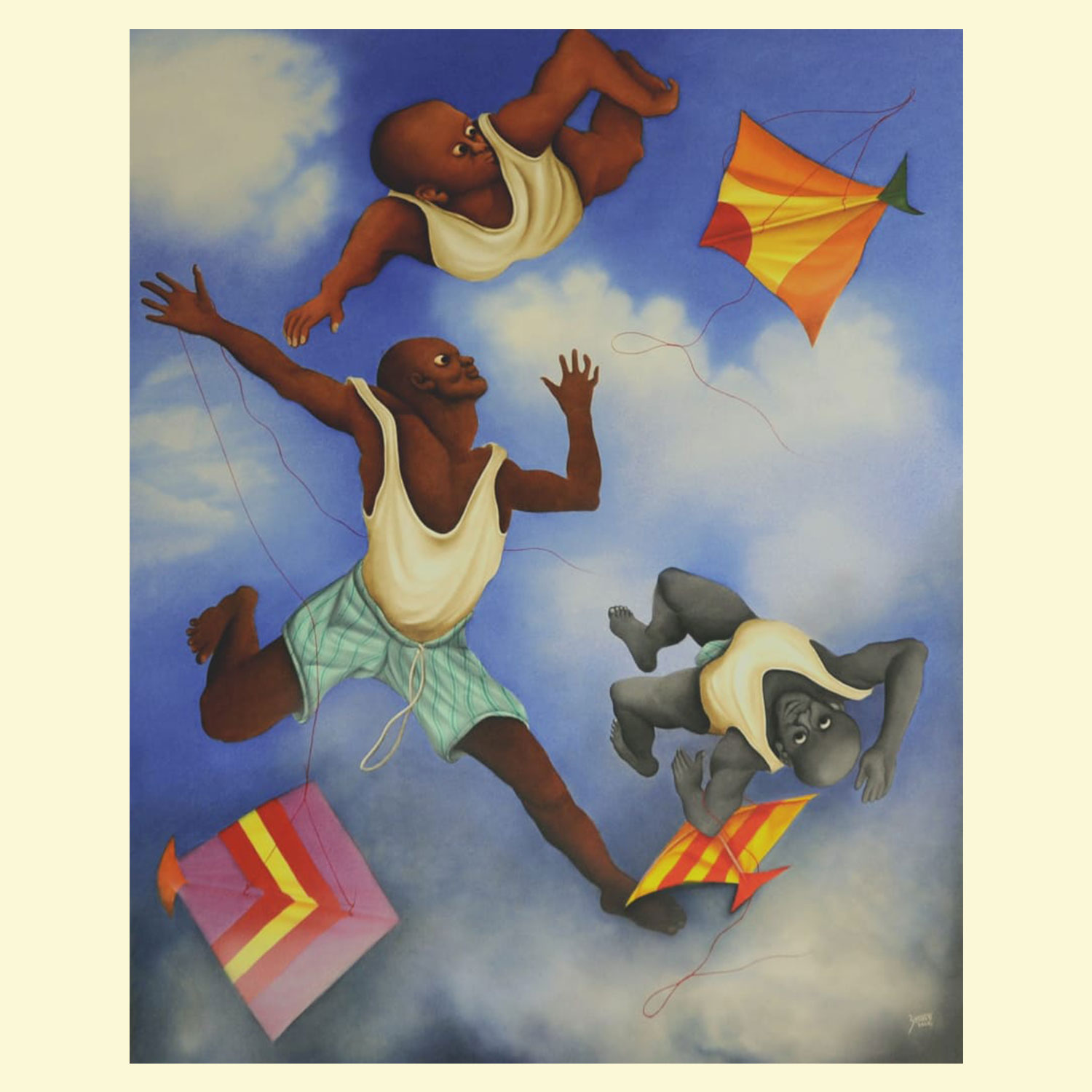
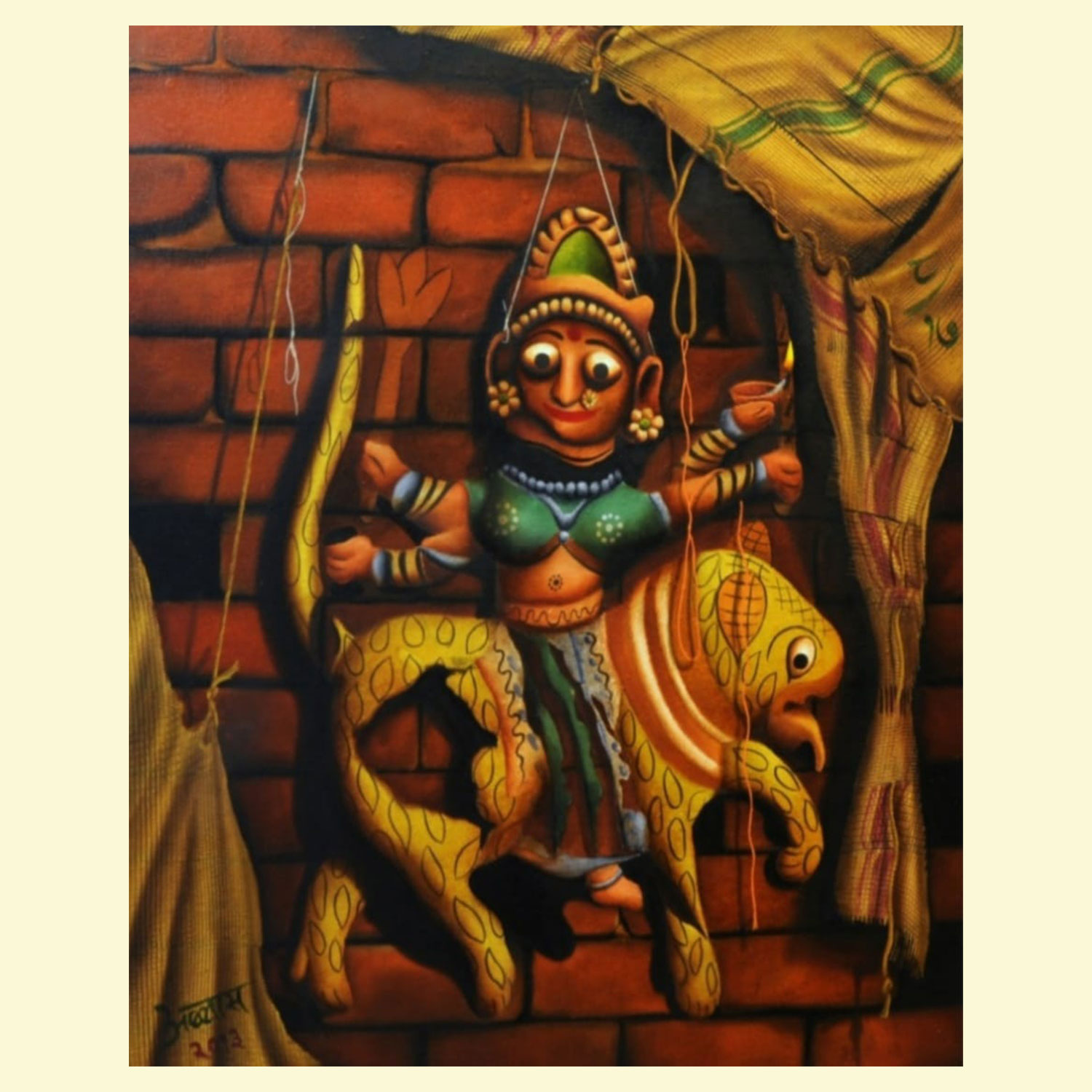
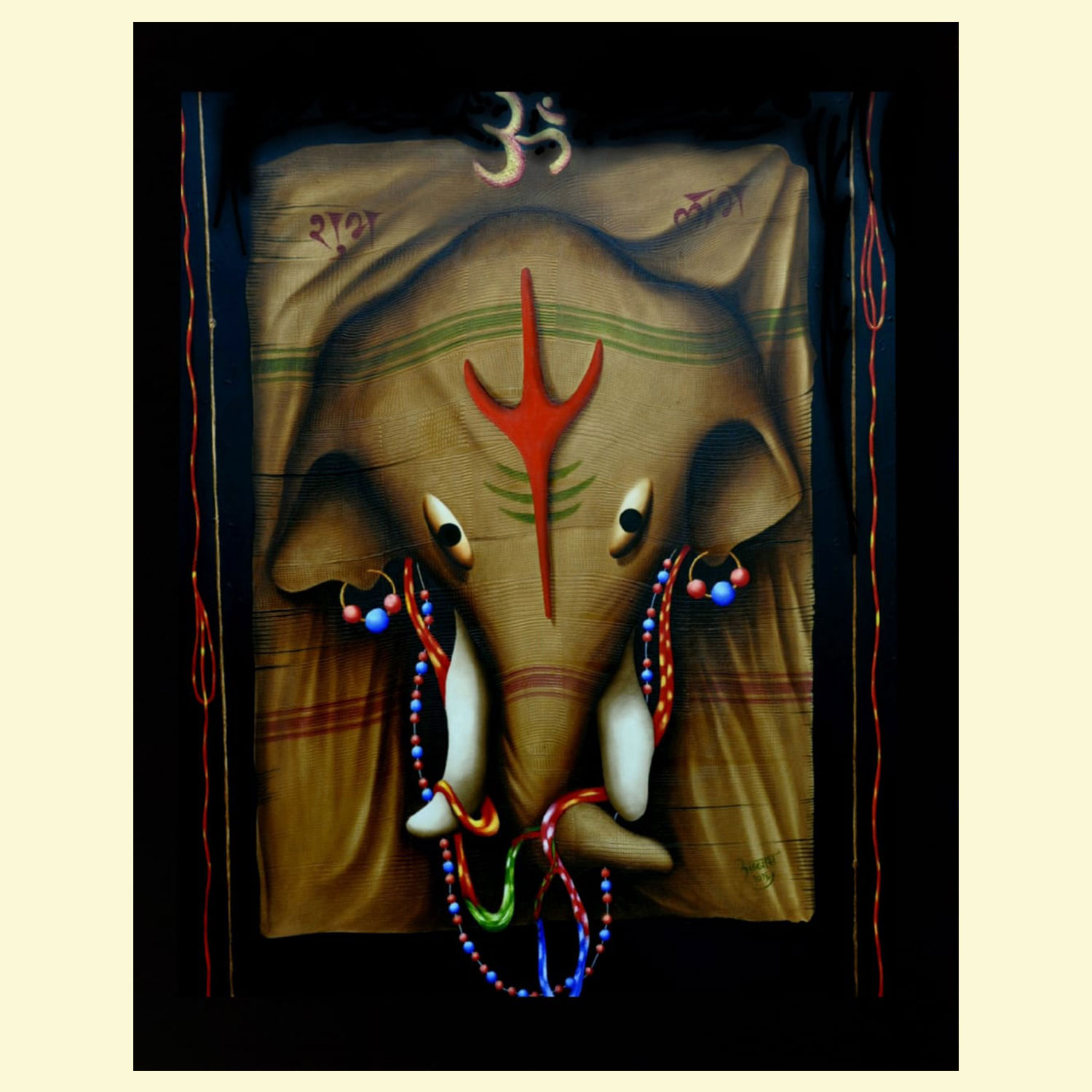
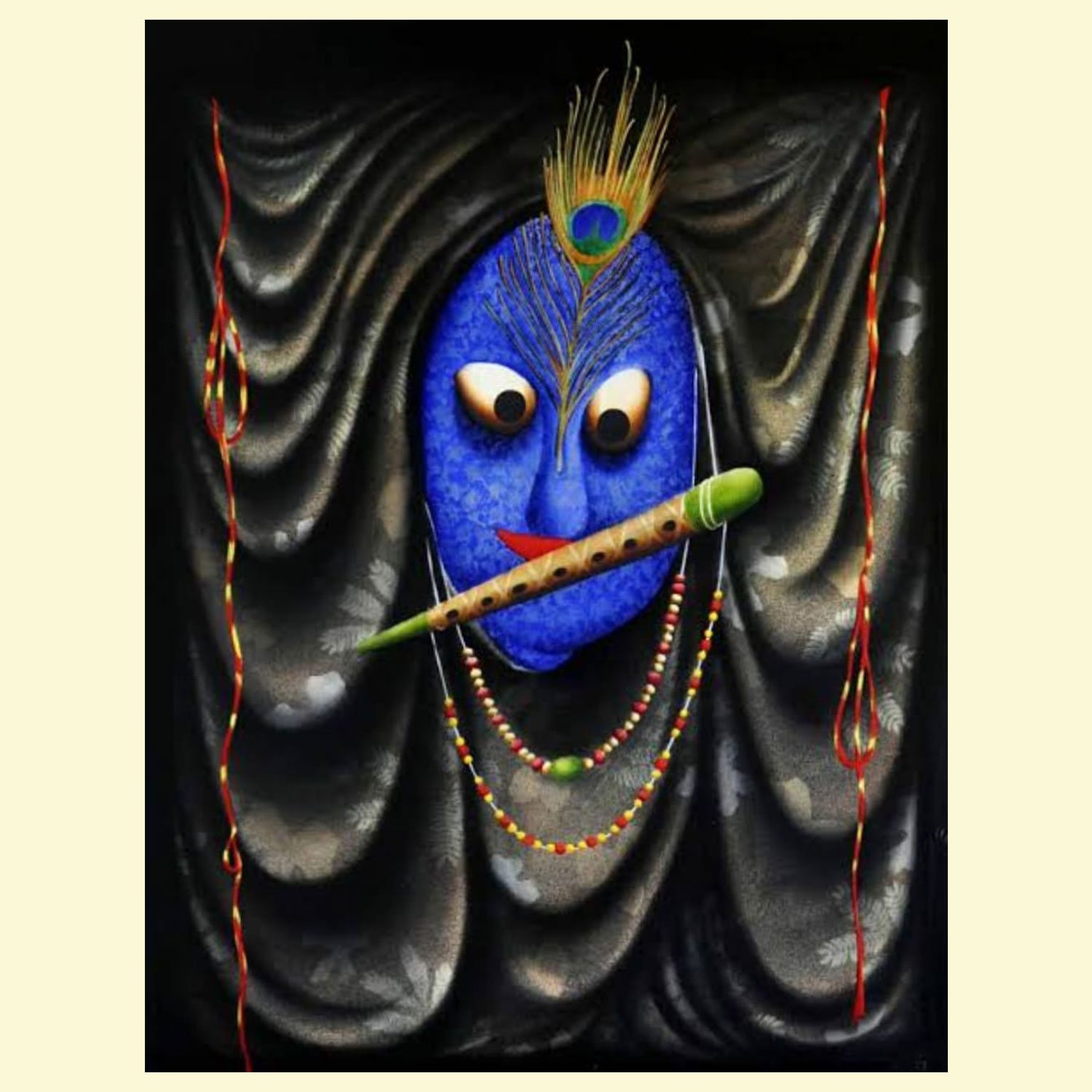
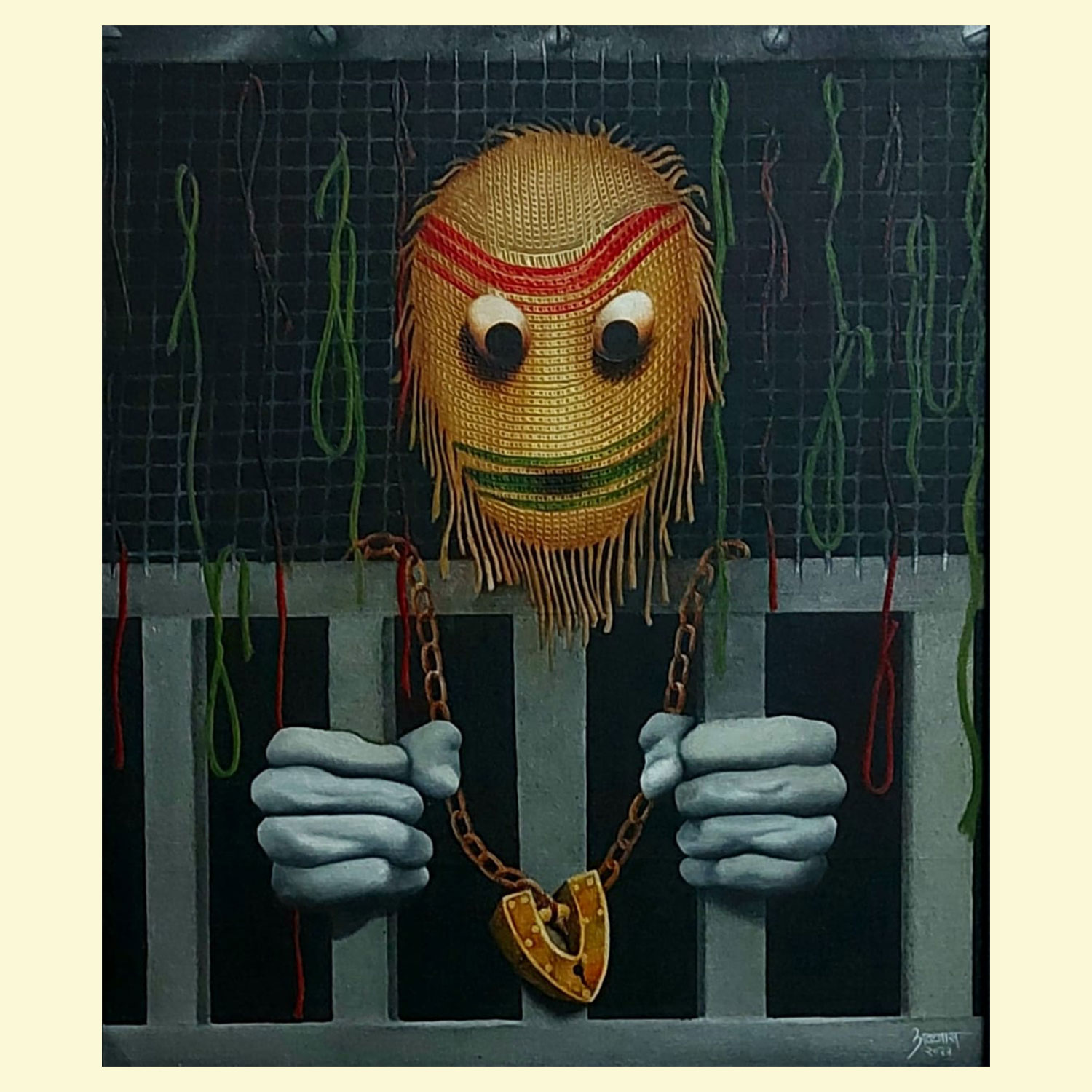
Soon after acquiring Master’s degree in painting from the University of Udaipur in the year 1982, Batliwala became a free lance practising artist I He started participating in various celebrated art exhibitions and earned several awards. In the year 1991 Triennial India award established him as apainter of mundane. In the beginning, he intensively painted folk motives inspired by Mollela folk sculptures near his home town, which drew the attention of Indian art world, but soon, shifted delineating the folks of his own town in their varying moods. Main characteristic of his paintings is his delineation of his ‘ eyes’ that listen and talks, urge the colours to be symphonic notes and chiaroscuro and a balletic move. Abbas Batliwala has been invited to several art shows such as 6th Asian Art Biennale, Bangladesh, 7th Triennial, India, Harmony show, Mumbai, 1997, 1998, 2002, and ‘Small is Great’ an international show at Rotterdam, Holland.
He has been invited to participate in innumerable artist camps/ seminars held in India. To name a few are Lalit Kala Academy, New Delhi, North Zone Cultural Centre, Arunachal, Jammu and Kashmir Academy of Art &Culture, North Central Zone Cultural Centre, Lucknow, National academy awardees camp, ICA, ‘Punjab Art Heritage- Patiala “The Golden Triangle Through the Artist’s Eyes”organised by Welcome Group, and Modi International etc.
His art is in collection of National Gallery of Modern Art, Lalit Kala Academy, New Delhi, Jawahar Kala Kendra, Jaipur, Raj. Lalit Kala Academy, and several state art academies and innumerable distinct art collections like Bill Gates, Reliance India, Air India etc.
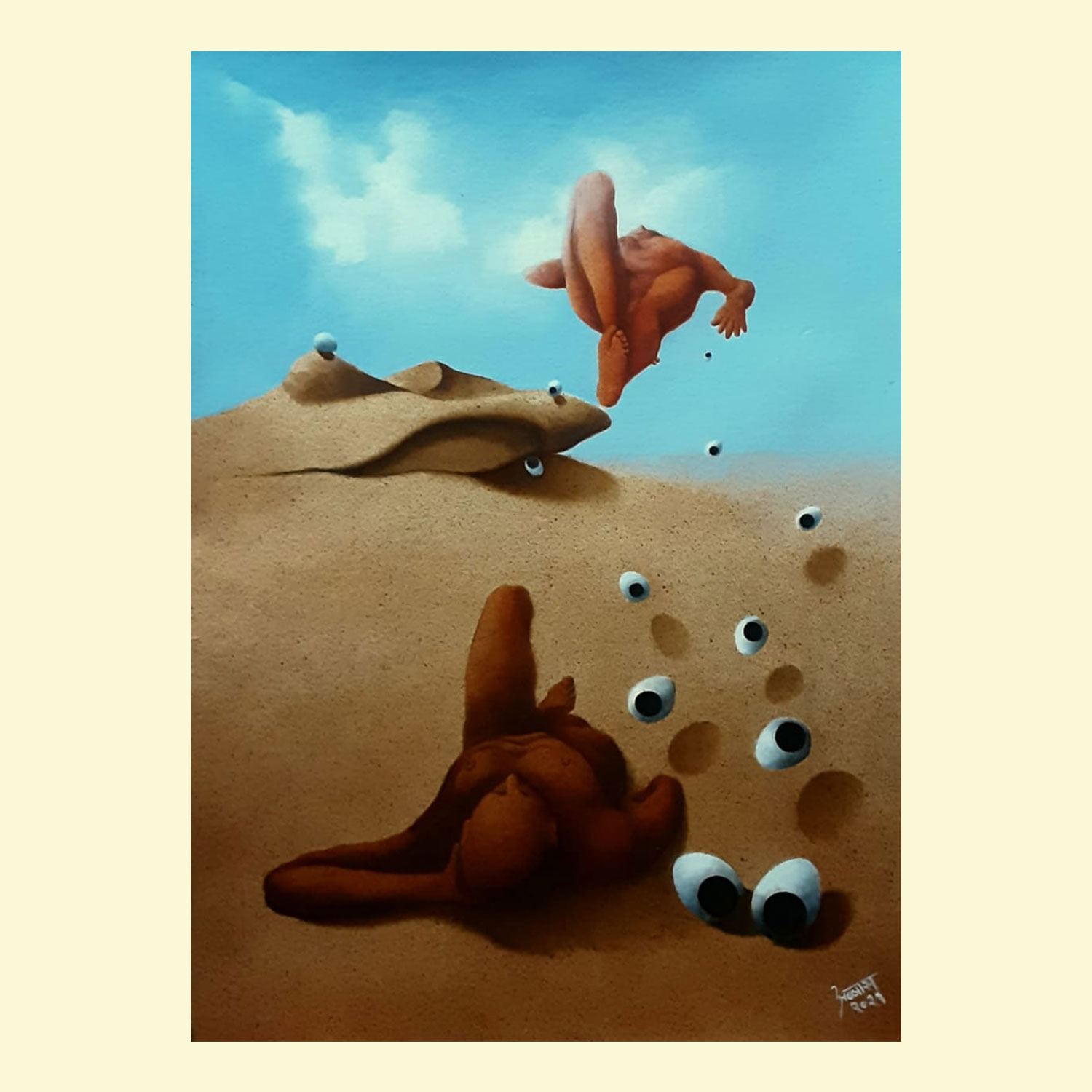
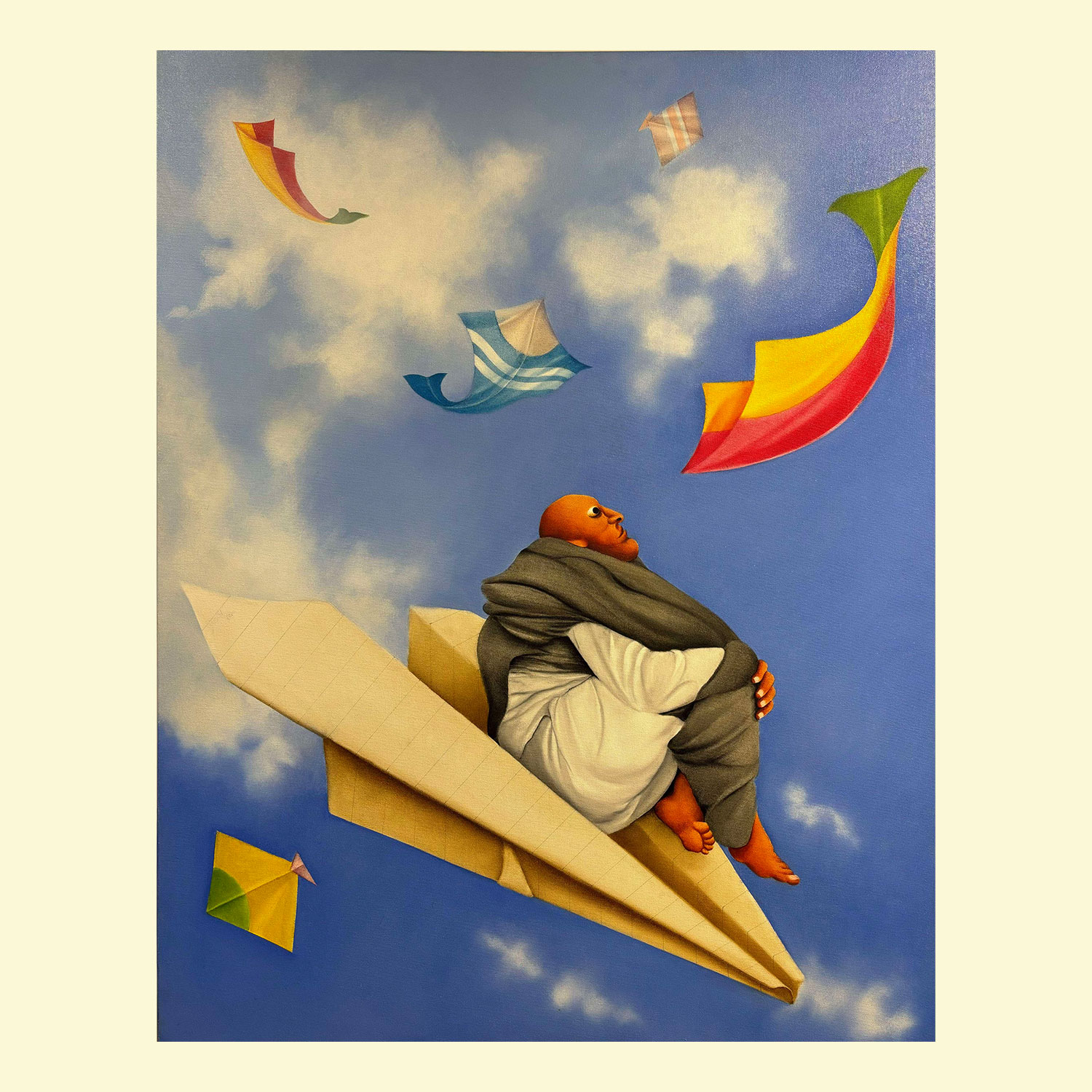
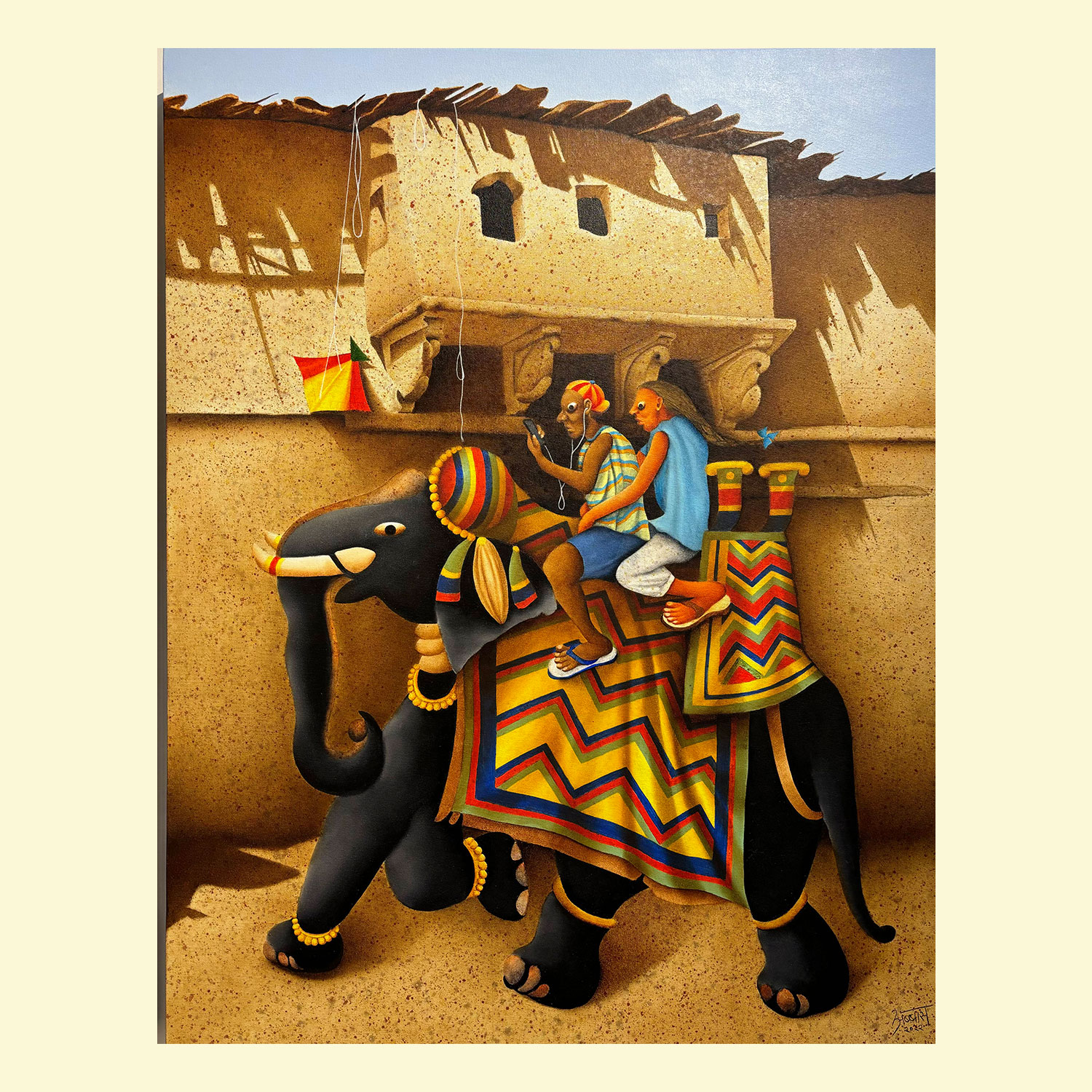
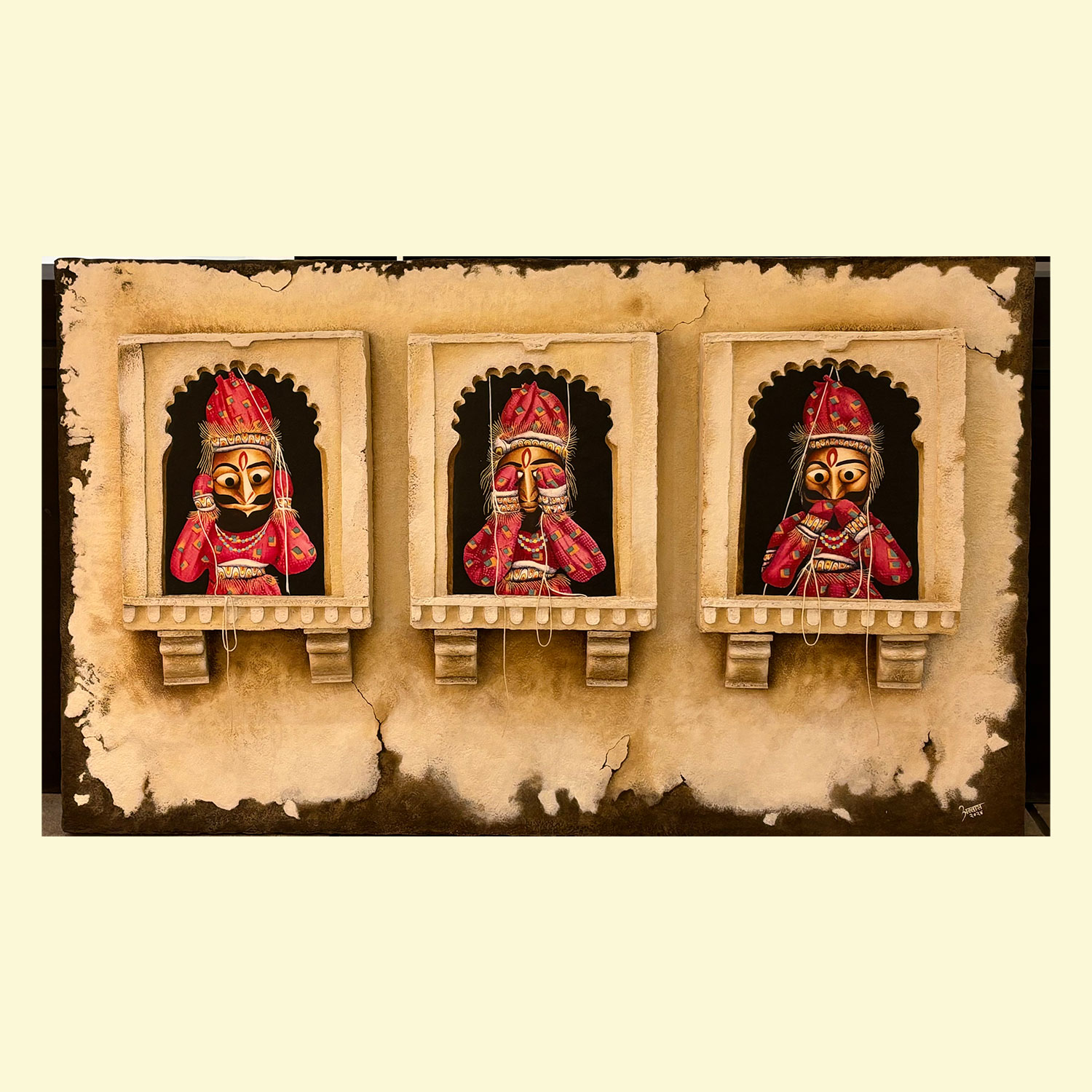
The emanating and protruding eyes in my most paintings are innately inspired by the deity images from Mollela terracotta village situated near Udaipur. Inmy later works, these eye motifs became a metaphor to my expression through which I have been able to establish a dialogue. that could let the eyes listen and talk, urge the colours to be symphonic notes and the chiaroscuro a balletic On my canvases, I try to assimilate the mundanespectrum by foregrounding a reality of the folks of my own town Udaipur in their varying moods.